YANLING Industrial Computer Technology (Shenzhen) Co., Ltd
Building an industrial computer is a specialized engineering process that prioritizes thermal physics and mechanical durability over simple assembly. At YANLING, we follow a rigorous lifecycle to ensure each unit can survive 24/7 operation in environments that would destroy a standard desktop.
Here is the detailed manufacturing journey of a fanless industrial computer.
Before a single screw is turned, engineers select industrial-grade components designed for longevity (5–10 year lifecycles).
Motherboard Design: We use custom-designed PCBs with solid capacitors and thickened copper traces to handle heat and electrical noise.
CPU Selection: We choose processors with low TDP (Thermal Design Power), such as the Intel N100 or "T" series Core i5/i7, which are optimized for passive cooling.
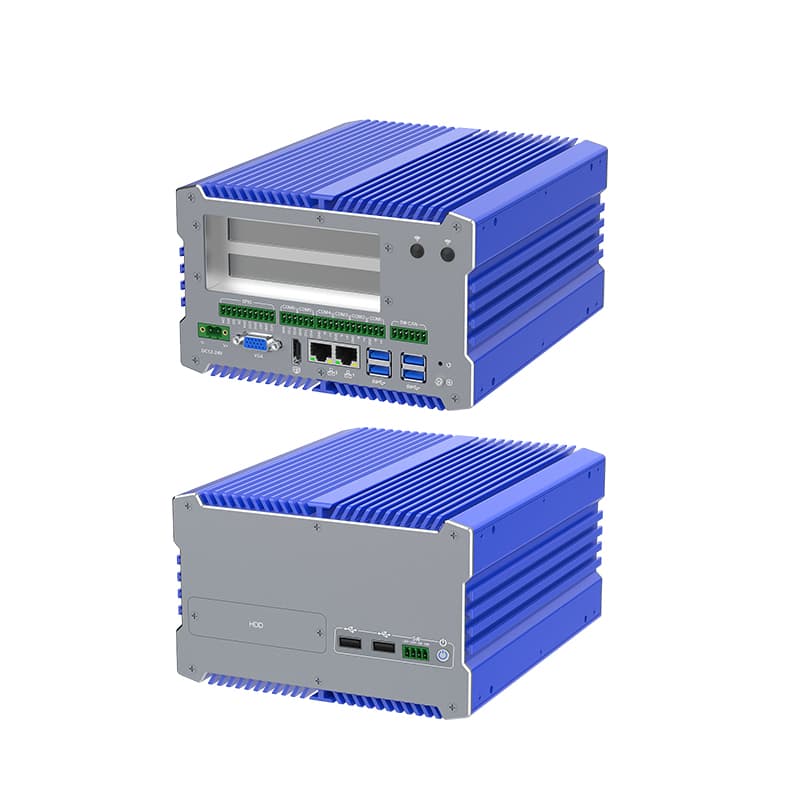
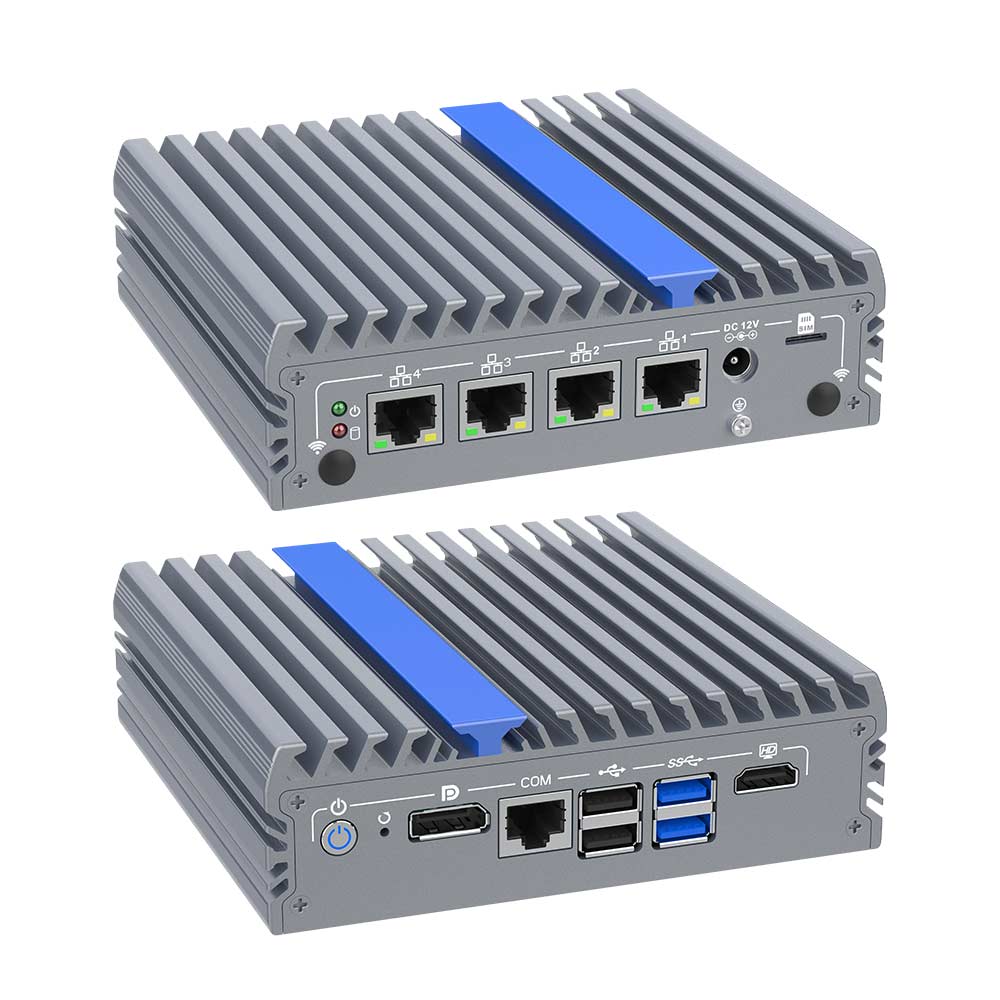
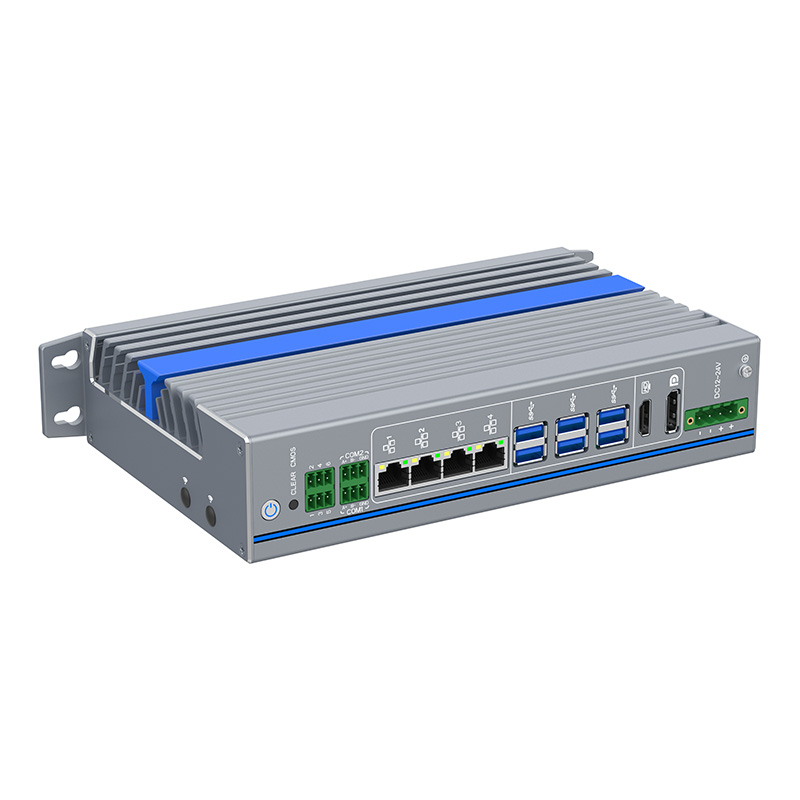
Passive Cooling Architecture: Engineers design the aluminum chassis to act as the primary heat sink. The fin density and surface area are calculated to dissipate the specific heat load of the chosen CPU.
The "brain" of the computer is manufactured using high-precision Surface Mount Technology (SMT).
Solder Paste Printing: High-quality solder is applied to the PCB through a precision stencil.
Pick and Place: High-speed robotic arms place the CPU socket, chipsets, and capacitors onto the board.
Reflow Soldering: The boards pass through a multi-zone oven where the solder melts, creating permanent electrical bonds.
AOI (Automated Optical Inspection): Cameras scan every millimeter of the board to detect bridge shorts or missing components.
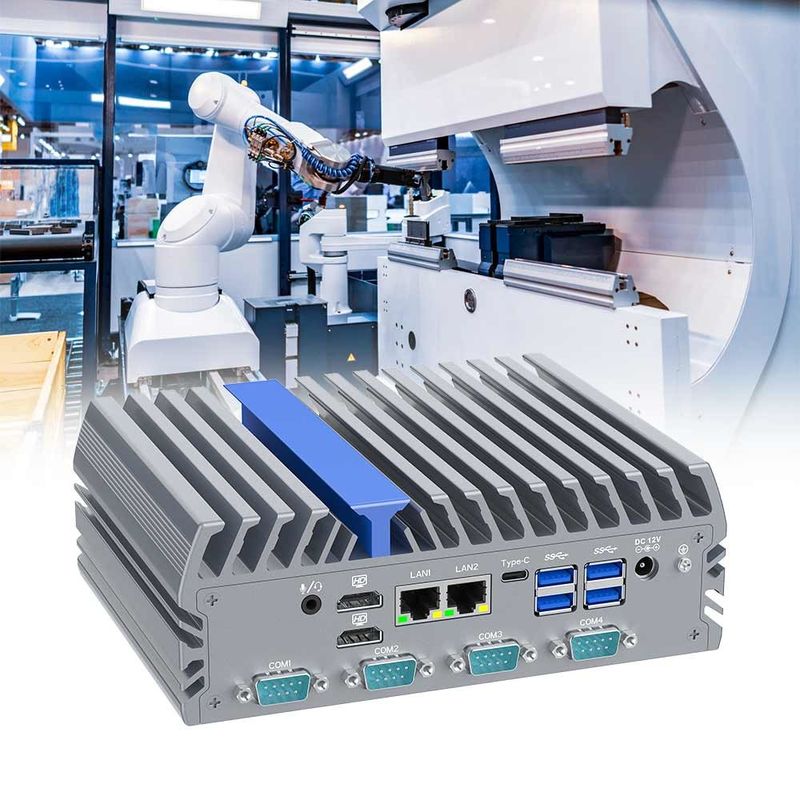
This is the most critical stage for a fanless industrial computer.
Thermal Coupling: We apply industrial-grade thermal grease or high-conductivity pads to the CPU. A CNC-machined thermal block is then bolted to the CPU to bridge the gap between the chip and the outer case.
Enclosure Fitting: The motherboard is mounted into the 6063-grade aluminum alloy chassis. This creates a "heat bridge" where the entire exterior of the computer becomes the radiator.
I/O Securing: COM ports, LAN ports, and antennas are manually installed and secured with vibration-resistant clips or industrial adhesives to ensure they don't loosen over time.
To guarantee 24/7 reliability, every unit must pass a "trial by fire."
The Aging Chamber: The computers are placed in a temperature-controlled room (typically set to 50°C - 60°C).
Full Load Stress Test: We run software that pushes the CPU, RAM, and GPU to 100% utilization for 48 to 72 hours.
Pass Criteria: If the system crashes, throttles (slows down due to heat), or shows any data errors during this period, it is rejected. Only units that maintain stable performance in extreme heat are certified.
The final checks ensure the unit meets international safety and communication standards.
Port Validation: Every individual USB, HDMI, and COM port is tested for signal integrity.
Electrical Safety: We perform Hi-Pot (High Potential) testing to ensure the chassis is properly grounded and the power supply can handle voltage surges.
Certification: Final verification of CE, FCC, and RoHS compliance before the unit is vacuum-packed in anti-static materials.
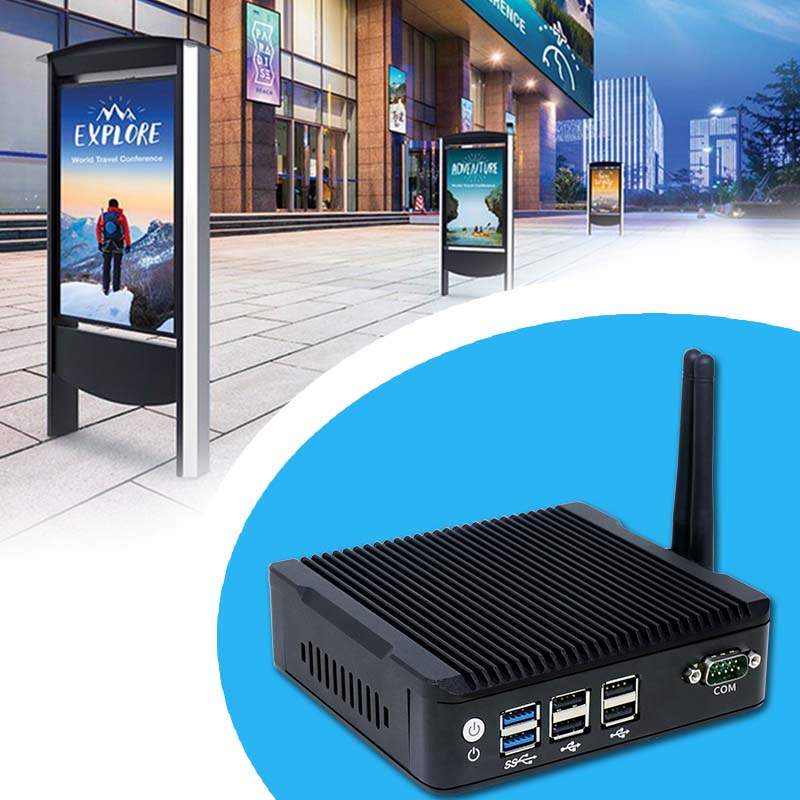
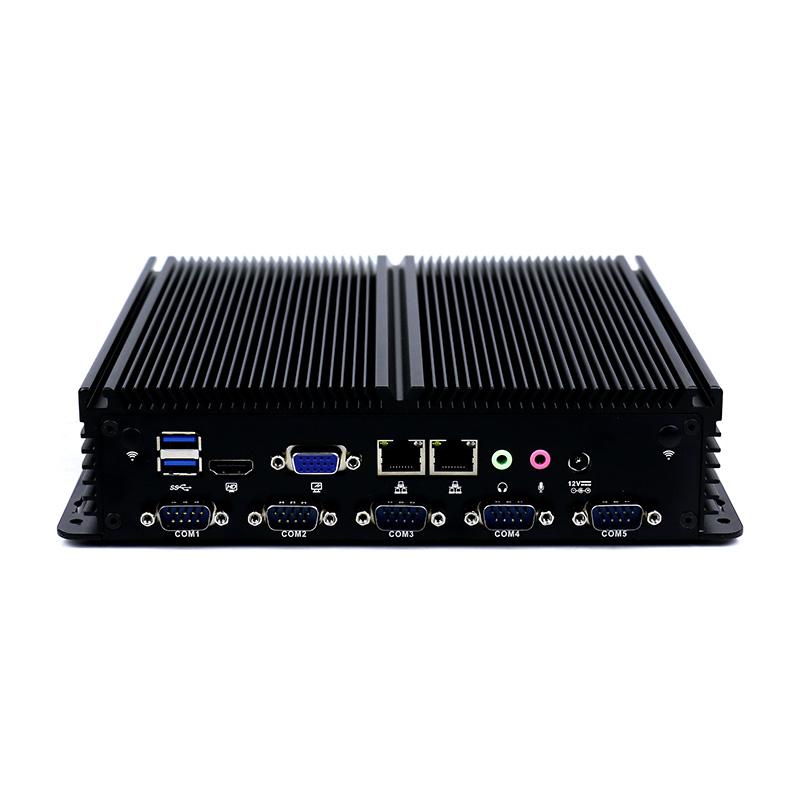
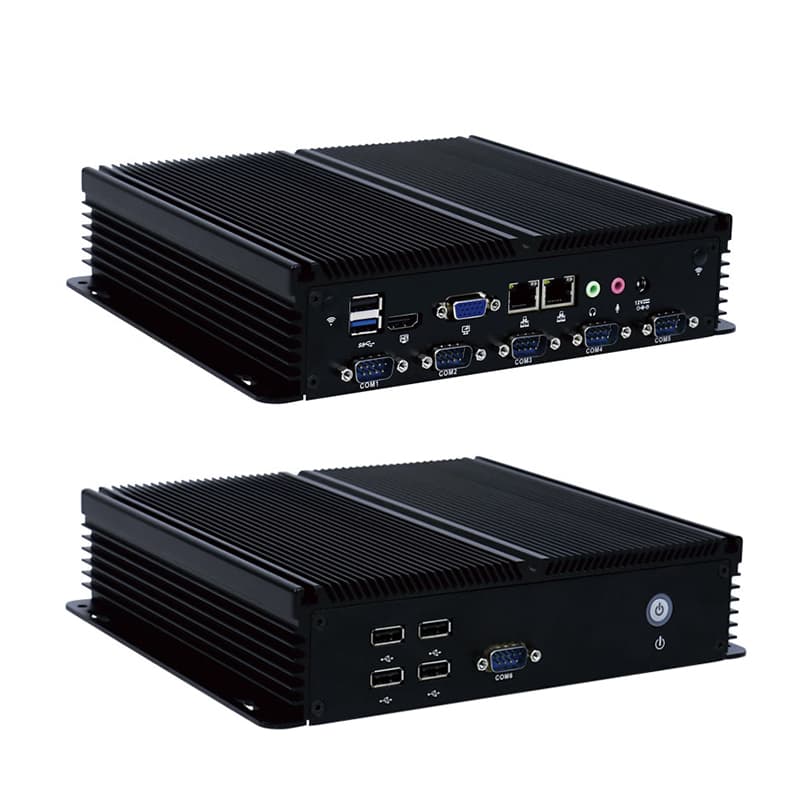
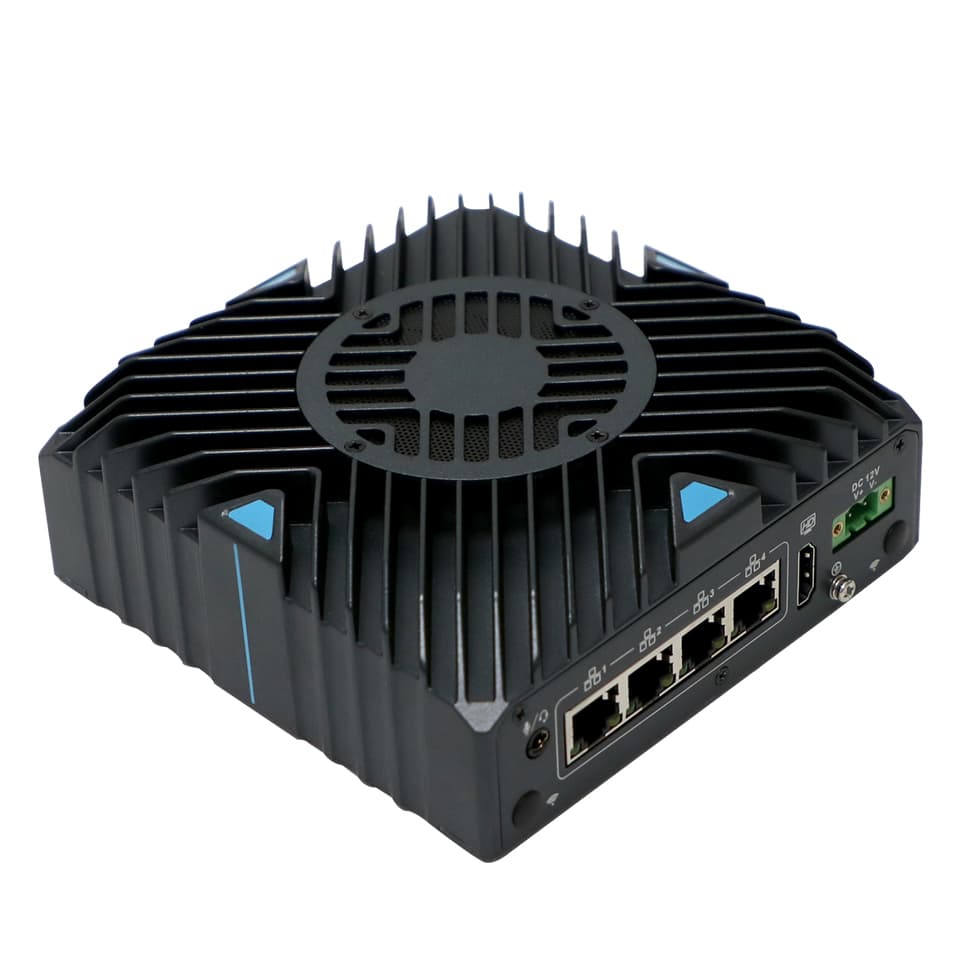
By following this process, we transform a collection of silicon and aluminum into a ruggedized fanless industrial computer capable of 5-8 years of uninterrupted service. Contsct us for your order now!