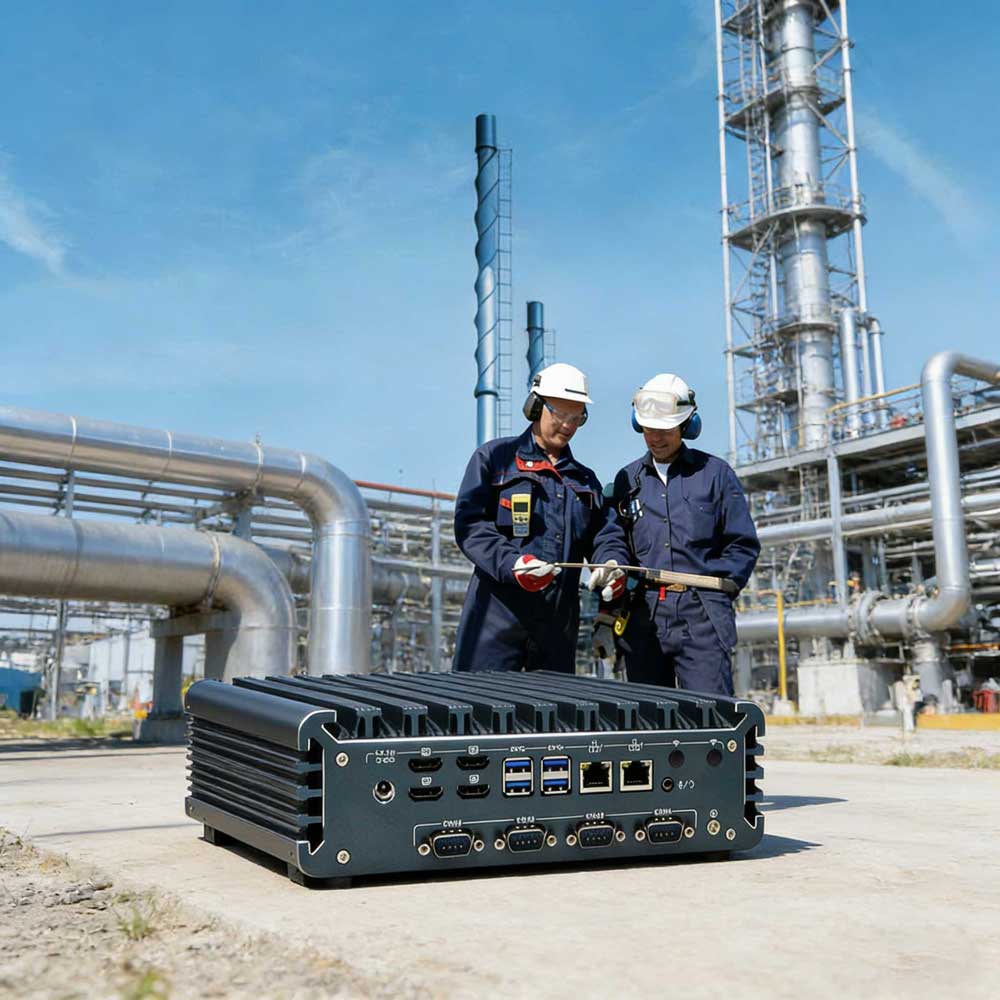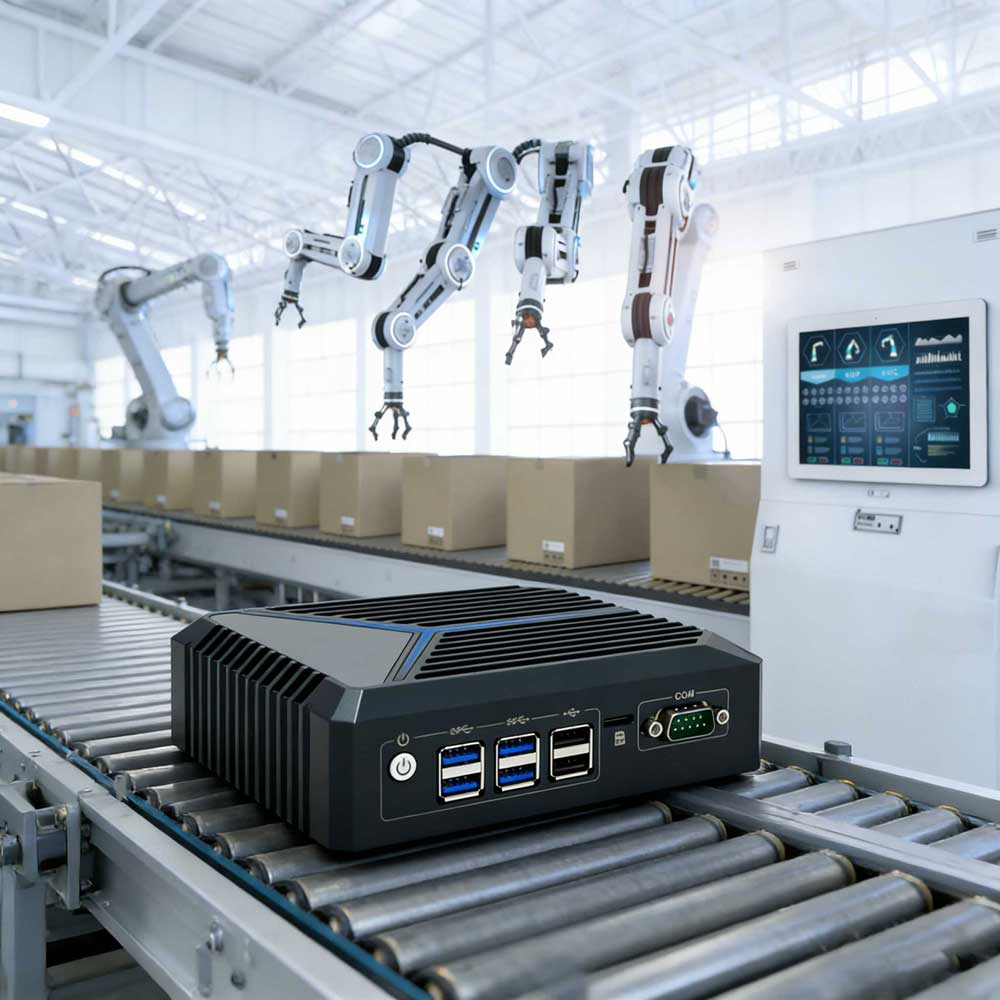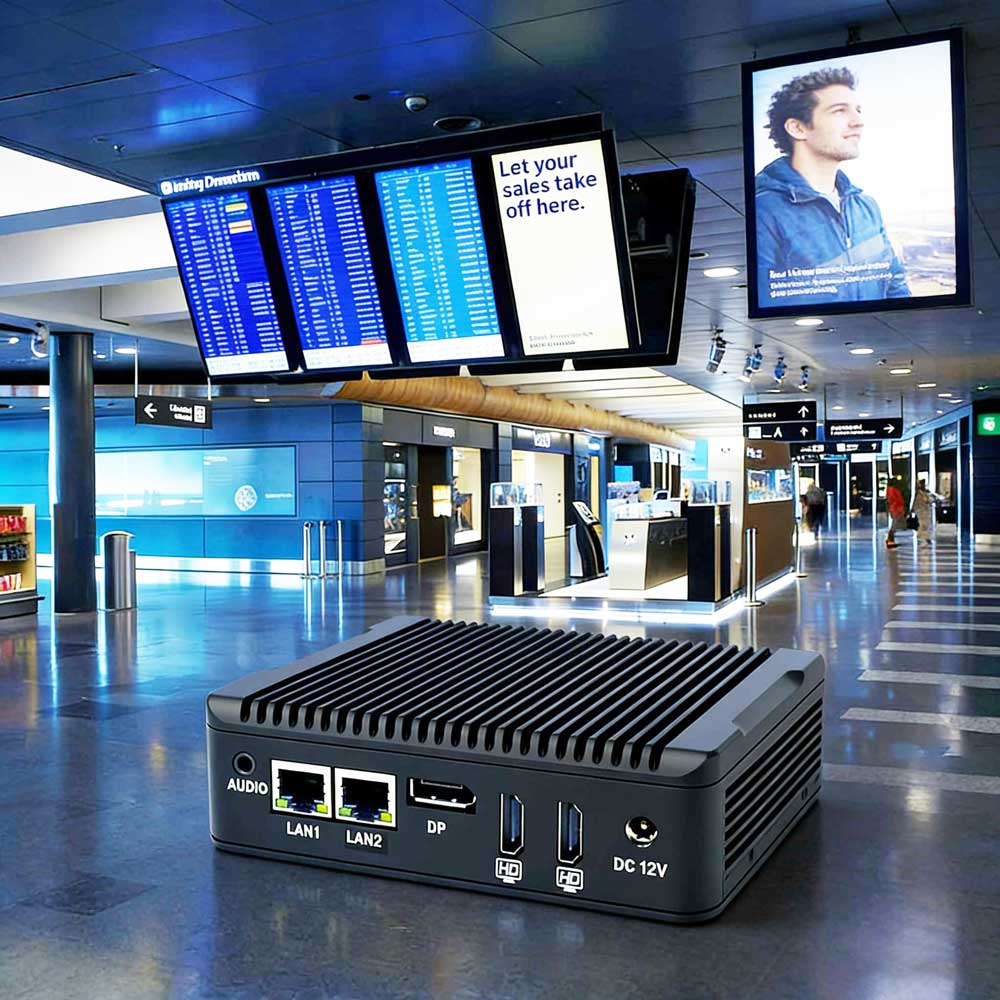
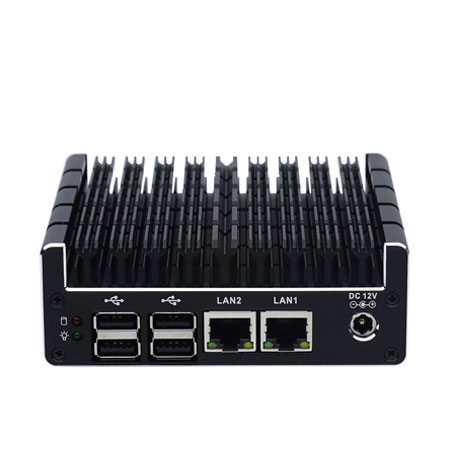

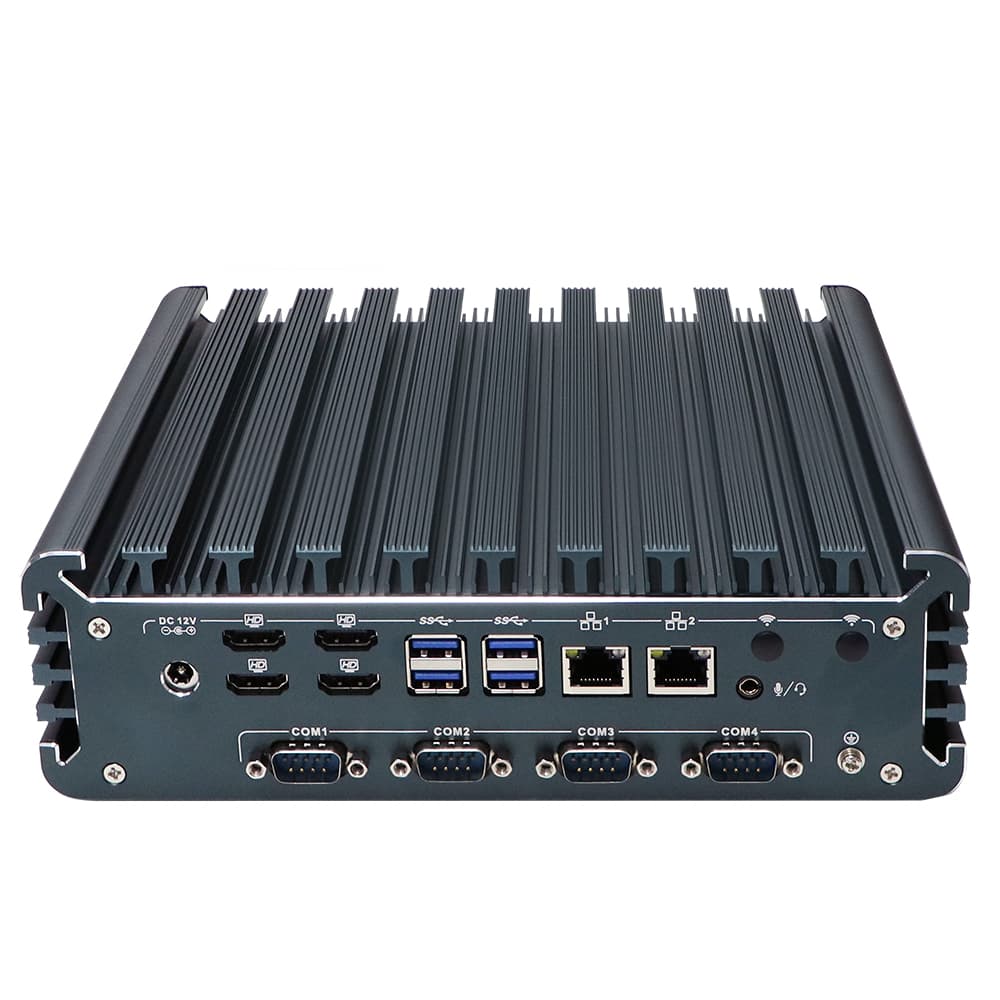
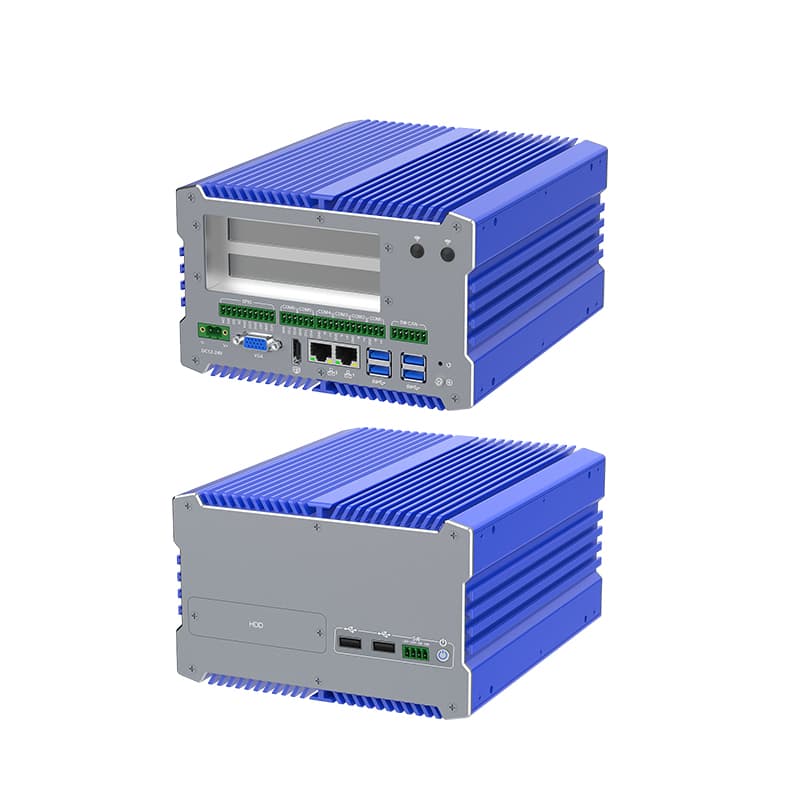
Fanless industrial computer is the important type of industrial pcs, so it used for various applications, such as digital kiosk, medical, industrial automation. Do you know how a fanless industrial computer works, following is the detailed introduction.
1. The Science of Passive Cooling
A fanless industrial computer operates without any moving parts for cooling. Instead of using a fan to force air over a heatsink, it relies on conduction and convection:
Conduction: The CPU generates heat, which is pulled into a specialized "heat block" or copper heat pipe.
Transfer: The heat travels to the outer shell of the computer.
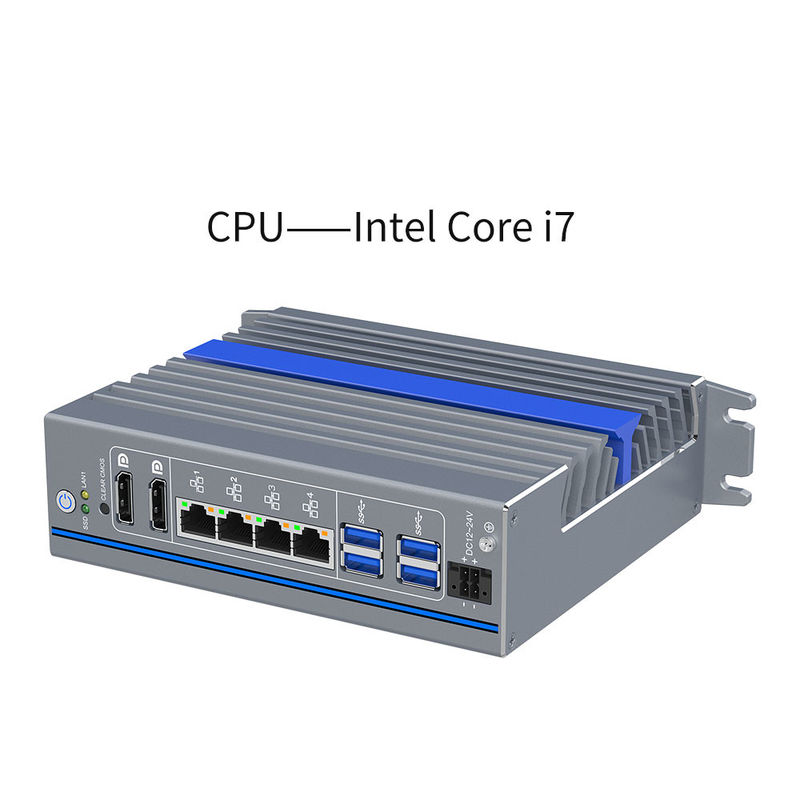
Convection: The external aluminum fins release the heat into the surrounding air.
2. Why "No Moving Parts" Matters
The removal of the fan solves the three biggest points of failure in industrial environments:
Dust & Contaminants: Fans suck in dust, grease, and moisture. Fanless designs are IP-rated/Sealed, making them impervious to factory floor debris.
Vibration Resistance: Fans are prone to mechanical failure under constant vibration. Fanless PCs are solid-state, ideal for rail and heavy machinery.
Zero Maintenance: No fans mean no cleaning cycles and no bearings to replace, leading to a significantly higher MTBF (Mean Time Between Failures).
3. Precision Engineering: The YANLING Aluminum Chassis
The chassis is not just a box; it is the Heatsink.
High-Thermal Conductivity: We use 6063 aluminum alloy, which has a thermal conductivity of approx. 200W /(m·K).
Internal Contact: We use high-performance thermal paste and precision-machined blocks to ensure there is zero air gap between the CPU and the case.
4. The Result: 24/7 Silent Stability
By removing the fan, YANLING creates a computer that is silent, energy-efficient, and capable of operating in a wide temperature range -20℃ to +70℃.
YANLING offers high quality fanless industrial computer with our own factory, contact us to custom your personal fanless industrial computer now!