
Find Any Industrial Computer & Mini PC You Need, And contact YANLING Now
- Request A Quote Now
Industrial computers are rarely installed in environments with perfectly stable power.
Factory equipment, vehicles, transportation systems, outdoor equipment, embedded machines and edge devices can experience different DC input conditions depending on the power source, system load and application environment.
A conventional computer designed around a fixed power input may require additional power conversion equipment before it can be deployed in these environments.
YANLING develops wide voltage industrial PC architectures to provide greater flexibility at the DC power-input stage.
Depending on the platform, YANLING industrial computers can support wide-voltage configurations such as DC 9V–36V, while other industrial platforms are designed for ranges such as DC 12V–28V or DC 12V–24V.
The exact input range is model-specific.
The purpose of YANLING wide-voltage technology is not simply to accept a wider voltage range. It is to engineer the computer's power-input architecture around the actual electrical conditions of the application.
|
|
↓
Flexible DC input ranges designed for different industrial power environments.
↓
Protection architecture helps the system handle defined power-input conditions.
↓
The input power is converted into stable internal power rails for the computing platform.
↓
Stable internal power supports the motherboard, processor, memory, storage and I/O devices.
↓
Processor selection and TDP directly influence power consumption and thermal requirements.
↓
Fanless platforms transfer processor heat through the thermal structure and aluminum chassis.
↓
COM, LAN, GPIO, CAN, USB and display interfaces connect the computer with field equipment.
↓
The complete architecture supports automation, transportation, edge computing and embedded applications.
Designing the Industrial PC Around Variable DC InputWide voltage technology refers to an industrial computer's ability to operate across a defined range of DC input voltages rather than requiring one fixed input voltage. For example, a YANLING industrial computer specified for: DC 9V–36V can be deployed across a substantially wider DC input range than a system designed only for a single 12V input. However, wide-voltage capability is not simply a software function. It requires the power-input architecture, protection circuitry and downstream power conversion to be designed for the specified voltage range. | 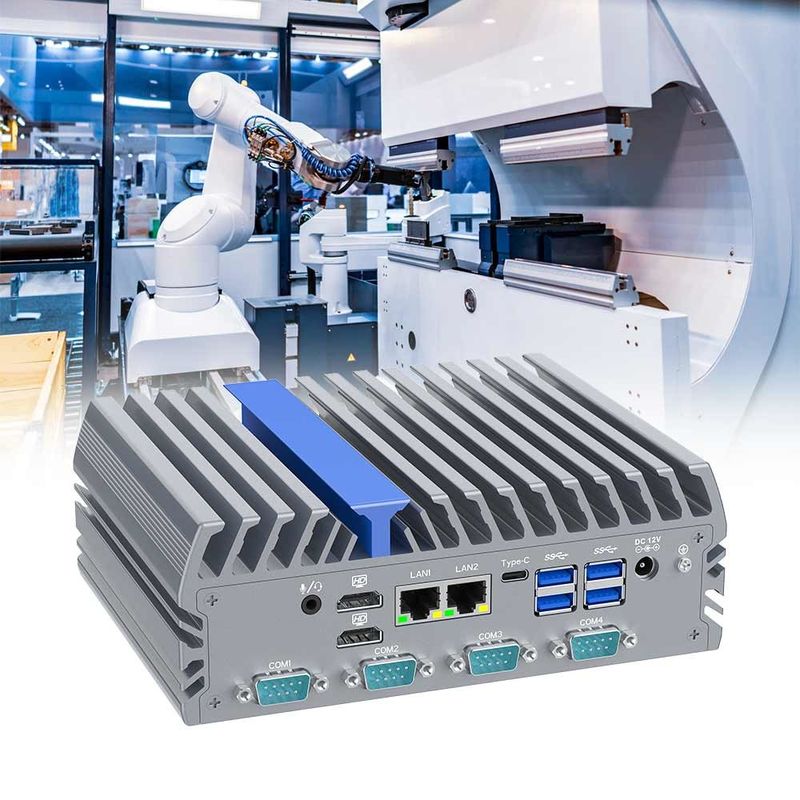 |
A simplified architecture can be represented as:
DC Input → Protection → Voltage Regulation / Power Conversion → Stable Internal Rails → Motherboard & Processor
The external DC voltage can therefore vary within the product's specified operating range while the internal electronics receive the regulated power required by the computing platform.
The actual circuit topology and protection parameters vary according to the YANLING motherboard and product design.
Industrial environments can have very different power conditions from office environments.
 | The computer may be powered from:
|
The available DC voltage may not always remain at one nominal value.
For this reason, the power-input specification becomes an important part of industrial computer selection.
A wide-voltage industrial PC can simplify system integration by allowing the computer to operate directly within a defined DC input range.
This can help customers reduce the need for additional external DC conversion equipment where the application's power source already falls within the computer's specified input range.
The wide-voltage system can be understood as several functional stages.
The industrial computer receives DC power from the application's power source.
Depending on the model, YANLING systems can support input ranges such as:
|
|
|
These ranges are not interchangeable specifications.
The correct input range must be selected according to the individual product.
The incoming power passes through the product's power-input protection architecture.
Depending on the model, YANLING platforms can incorporate protection functions such as:
Reverse-polarity protection
Over-voltage protection
Over-current protection
These functions help protect the computer's internal electronics when the electrical conditions fall outside normal operating conditions.
The input voltage is then converted into the regulated voltage levels required by the motherboard and processor platform.
The external DC voltage therefore does not directly become the operating voltage of every internal component.
Instead, the power architecture converts and distributes the input power to the system's internal power rails.
The motherboard, processor, memory, storage and I/O devices receive the appropriate internal power generated by the power architecture.
This allows the computing platform to operate while the external DC input varies within the specified range.
A Broad Input Range for Flexible Deployment
One of YANLING's strongest wide-voltage configurations is:
DC 9V–36V input
This range appears on selected YANLING industrial and mini PC platforms.
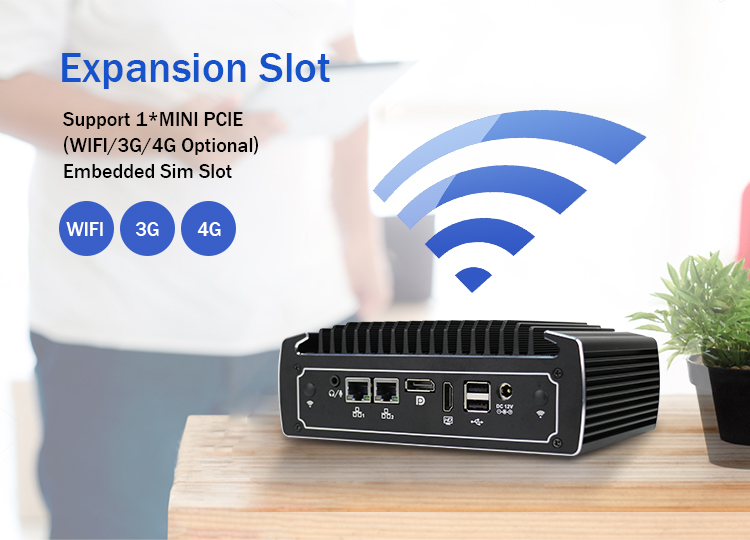
For example, a current 12th Gen Intel Core fanless industrial Mini PC is specified with:
| 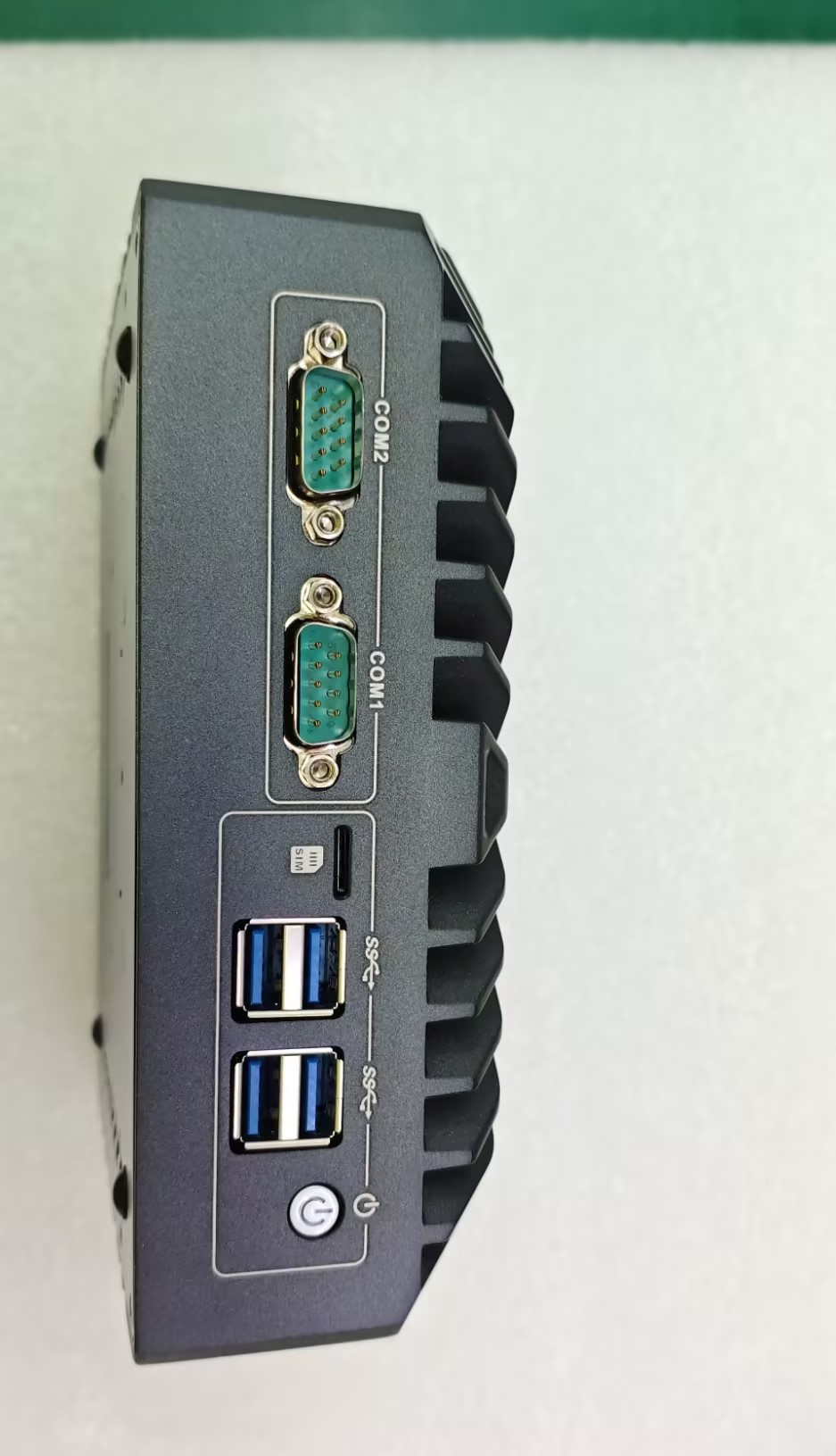 |
This is an important example of how wide-voltage technology is integrated into a complete industrial computing platform rather than treated as an isolated specification.
The customer receives not only a wide-voltage input, but a combination of computing performance, industrial I/O, networking, storage, wireless expansion and environmental capability.
Not every industrial computer requires the same input range.
YANLING's higher-performance embedded platforms can use different power architectures according to the processor and system design.
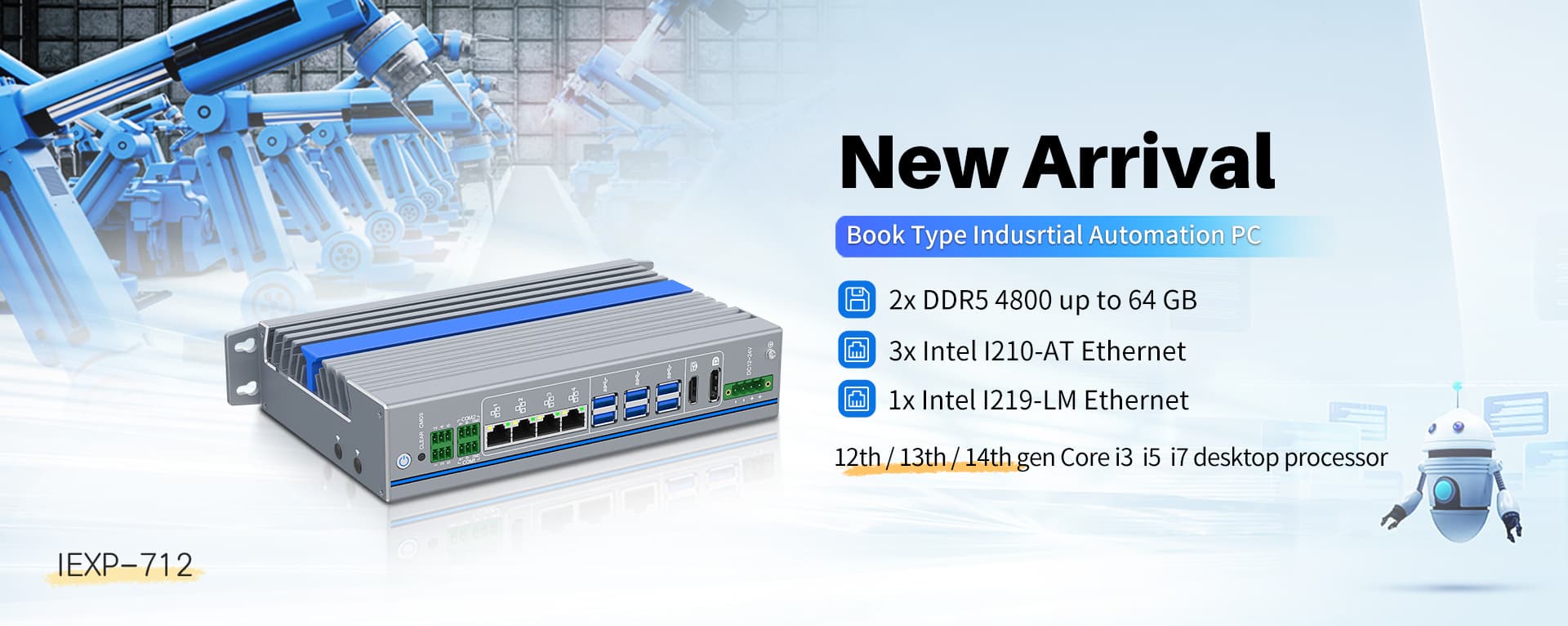
For example, selected Intel 12th/13th/14th Gen Core industrial embedded PCs use:
DC 12V–28V wide input
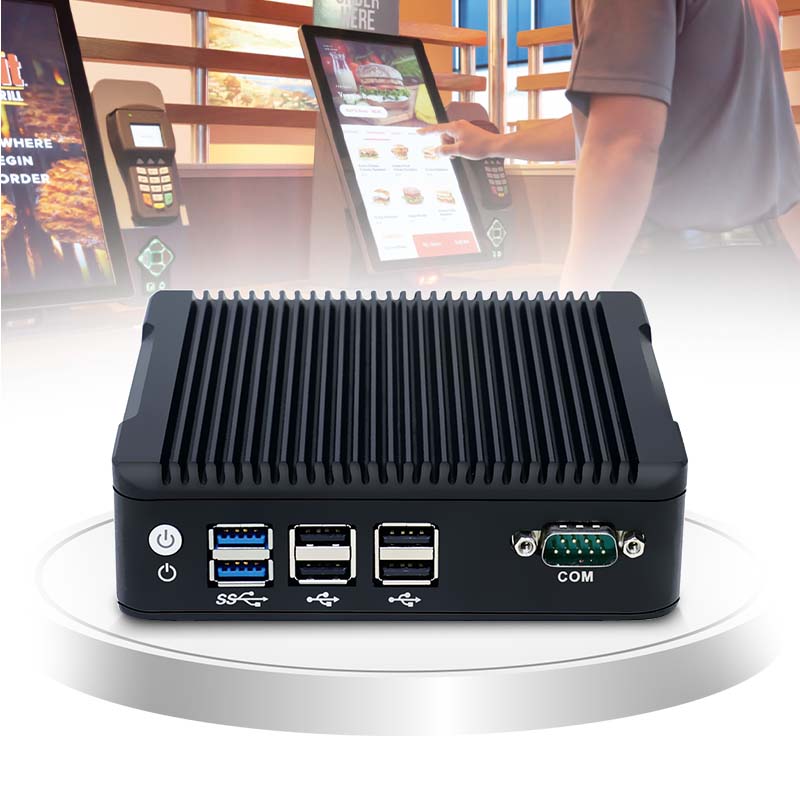 | while providing:
|
This demonstrates an important principle:
Wide-voltage technology must be engineered together with the computing platform.
A higher-performance CPU platform, expansion architecture and I/O configuration can require a different power design from a low-power fanless Mini PC.
Power Architecture + Protection + System Design
A common misunderstanding is to define wide voltage simply as:
“The computer accepts 9V–36V.”
For an industrial computer manufacturer, this is only one part of the engineering problem.
A complete wide-voltage architecture must consider:
What DC voltage can the system safely accept?
How does the system respond to incorrect polarity or abnormal input conditions?
How is variable external DC voltage converted into stable internal power rails?
How much power does the CPU and platform require under the intended workload?
How much additional power is required by storage, LAN, USB devices, COM interfaces, wireless modules and expansion cards?
How much heat is generated by the power circuitry and computing platform?
Will the system operate in a factory, vehicle, outdoor cabinet, control panel or embedded machine?
This system-level approach is why wide voltage should be treated as an industrial computer engineering technology, not simply a specification number.
Combining Power Flexibility with Passive Cooling
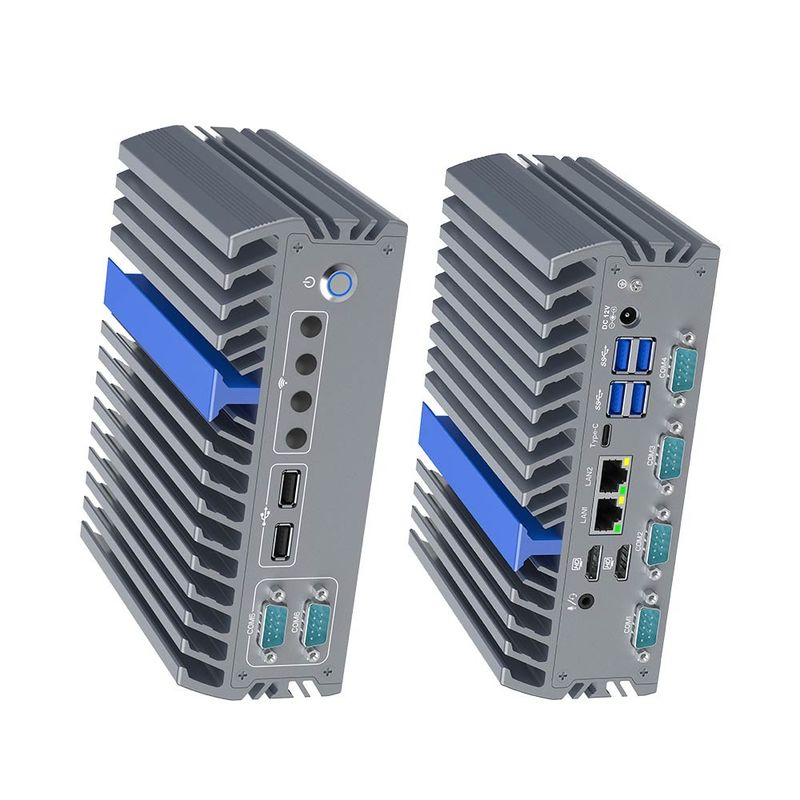
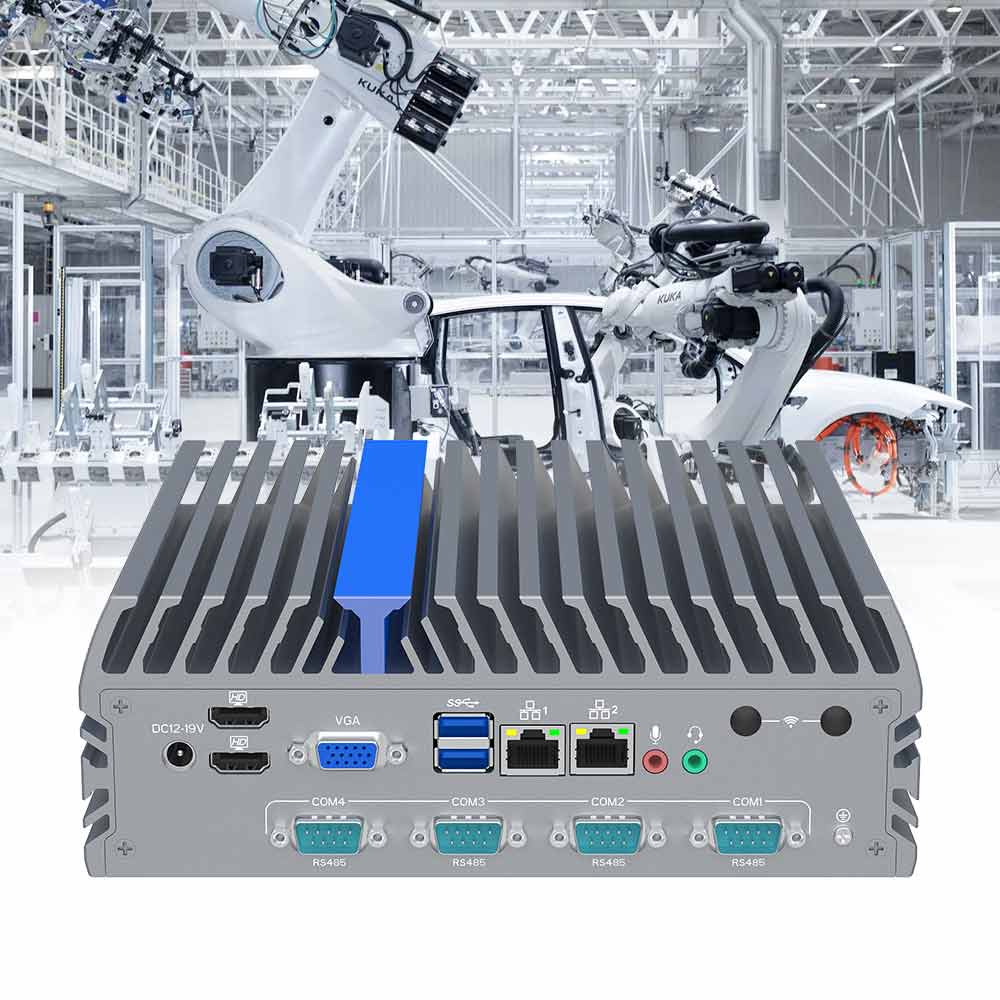
YANLING integrates wide-voltage input into selected fanless industrial computers.
This combination is particularly useful for embedded environments where both power flexibility and low-maintenance thermal design are important.
For example:
|
|
creates a compact industrial computer platform that can be deployed in applications with variable DC power while avoiding conventional mechanical fan cooling.
The thermal architecture and power architecture are engineered as separate but interconnected parts of the overall system.
The power design manages the incoming electrical energy.
The fanless thermal design manages the heat generated by the processor and other components.
Together, they contribute to system stability.
Stable Computing at the Industrial Edge
Industrial edge computers are often installed close to machines and equipment rather than in traditional server environments.
This can mean that the available power source is part of the industrial equipment itself.
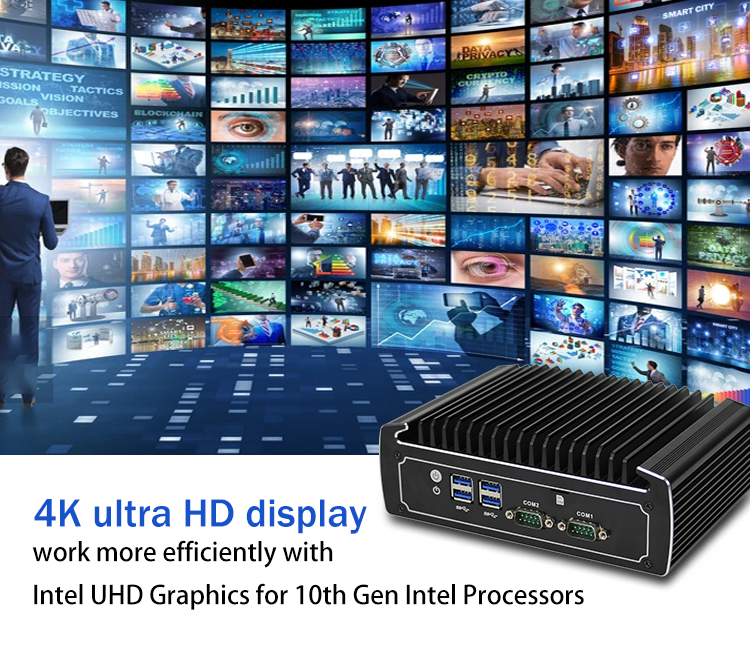
YANLING combines wide-voltage power architectures with modern Intel computing platforms, including selected:
|
|
The result is a scalable edge computing architecture in which the power input, processing performance, storage and connectivity can be selected according to the application.
Vehicle and transportation applications can present different power conditions from fixed industrial equipment.
Depending on the vehicle architecture and the actual electrical system, the computer may be exposed to variable DC input conditions.
A wide-voltage industrial PC can provide greater flexibility when integrating computing equipment into:
Vehicle systems
Transportation equipment
Mobile industrial machines
Fleet systems
Embedded vehicle equipment
YANLING's selected 9V–36V industrial computer platforms are particularly relevant to applications where the available DC power falls within that specified range.
However, vehicle electrical systems can involve transient conditions beyond the nominal supply voltage.
Therefore, the final product must be selected according to the actual electrical environment and the protection requirements of the application.
Simplifying DC-Powered Machine Integration
Industrial automation equipment frequently uses DC power within control cabinets and machine systems.
A wide-voltage industrial PC can be integrated directly when the machine's available DC power falls within the computer's specified input range.
This can simplify system architecture by reducing the need for an additional external conversion stage.
YANLING industrial computers can combine wide-voltage input with:
|
|
|
This makes the wide-voltage architecture particularly useful for embedded automation computers that need both flexible power input and direct communication with industrial equipment.
 |
One Platform for Power, Computing and Device Connectivity
Industrial integration becomes more difficult when the computer requires separate external devices for every function.
YANLING combines wide-voltage power input with rich industrial I/O on selected platforms.
A typical configuration can include:
Wide DC Input
↓
Industrial Power Protection
↓
Intel Processing Platform
↓
Multi-COM / RS232 / RS485
↓
GPIO / CAN
↓
Multi-LAN
↓
Storage / Display / Wireless Connectivity
This architecture allows the industrial computer to function as an integrated computing and communication platform.
For example, selected YANLING systems provide 6 COM ports, multiple Intel LAN interfaces and GPIO while simultaneously supporting wide-voltage DC input.
Powering Industrial Network Infrastructure
Industrial networking systems can require multiple Ethernet interfaces while operating continuously from DC power.
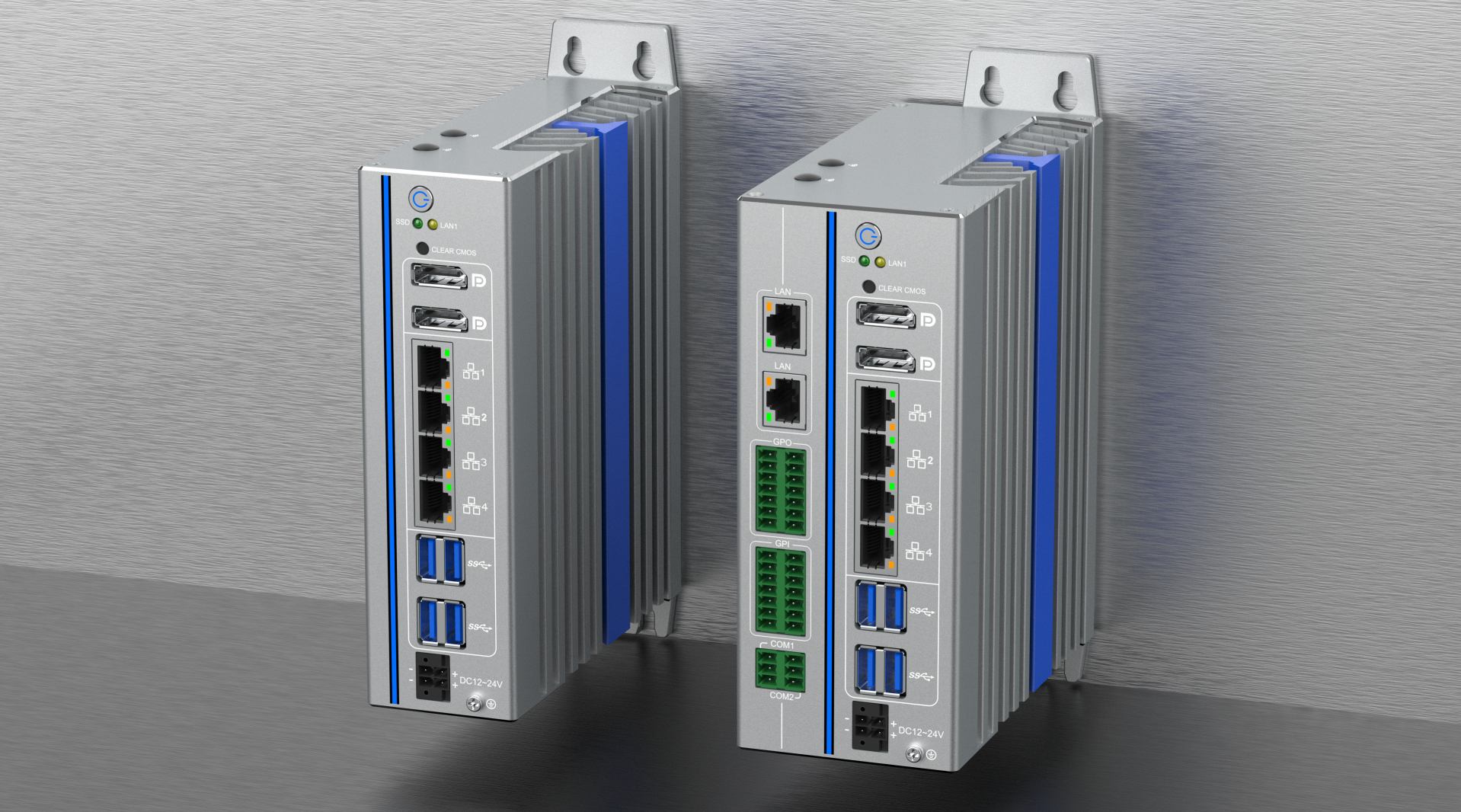
YANLING platforms combine wide-voltage power input with multi-LAN configurations on selected models.
Available architectures include:
| These systems can support applications including:
|
The wide-voltage architecture provides the power-input flexibility, while the multi-LAN architecture provides the network connectivity.
 |
Protection Designed into the Industrial Computer
YANLING's selected industrial computer platforms incorporate power protection functions as part of their input architecture.
Depending on the model, these can include:
Helps protect the system when the DC input polarity is connected incorrectly.
A current YANLING IBOX platform explicitly specifies reverse-polarity protection for its DC 9V–36V input.
Helps protect downstream electronics when the input voltage exceeds the supported operating condition.
Helps protect the power-input system and connected electronics against excessive current conditions.
The exact protection thresholds and implementation should always be confirmed from the specific model's technical documentation.
Power Stability Is Part of Industrial Reliability
Industrial computer reliability is not determined by the CPU alone.
A system can have a powerful processor and still become unreliable if its power architecture is not appropriate for the deployment environment.
YANLING therefore considers:
Power Input
Protection
Power Conversion
Processor
Thermal Design
I/O Load
as a complete system.
This approach is particularly important for applications requiring continuous operation.
YANLING's industrial computer portfolio includes platforms designed for continuous industrial use, with selected models specified for operating temperatures such as -20°C to +60°C.
 |
Designed for Embedded Industrial Systems
Some YANLING industrial computer platforms provide embedded power-management functions beyond basic DC input.
The IBOX-3046 platform, for example, specifies:
|
|
|
These functions are valuable in systems where the computer needs to operate as an embedded appliance rather than as a manually operated desktop computer.
This demonstrates another important aspect of industrial power design:
An industrial computer must not only receive power; it must also behave predictably when deployed as part of an automated system.
Why YANLING Does Not Use One Voltage Range for Every Computer
Different industrial computers have different:
|
|
Therefore, the optimal DC input range can differ between product platforms.
YANLING currently has products using different wide-voltage architectures, including:
| YANLING Platform | DC Input Example | Typical Position |
|---|---|---|
| Fanless Mini PC | 9V–36V | Compact embedded / edge computing |
| Industrial Embedded PC | 12V–28V | Higher-performance industrial computing |
| Selected Industrial PC / Mini PC | 12V–24V | Industrial and embedded deployment |
| IBOX-3046 | 9V–36V | Fanless embedded computing |
These are product-specific specifications, not one universal YANLING specification.
 |
Determine whether the system is powered by:
Industrial DC supply
Battery
Vehicle electrical system
Solar system
Machine power supply
Embedded control system
Do not select an industrial computer based only on the nominal voltage.
Determine the actual expected operating range.
For example:
Nominal 12V system ≠ necessarily fixed 12V input.
The computer must be selected according to the actual minimum and maximum voltage expected by the application.
Consider whether the application requires:
Reverse-polarity protection
Over-voltage protection
Over-current protection
Additional external surge protection
Consider:
CPU
RAM
SSD
USB devices
LAN
COM devices
Display
4G / 5G
WiFi
Expansion cards
Select the industrial computer whose:
Input Voltage + Protection + CPU + Thermal Design + I/O + Expansion
match the application.
YANLING's advantage is not simply offering a product with a “9V–36V” label.
The wider engineering value comes from combining power-input flexibility with the rest of the industrial computing platform.
Selected platforms support DC 9V–36V, while other platforms provide 12V–28V or 12V–24V architectures.
Selected models incorporate reverse-polarity, over-voltage and over-current protection functions.
Power architecture is designed around the specific motherboard and processor platform.
Selected wide-voltage platforms combine DC power flexibility with passive cooling and aluminum alloy chassis designs.
Multi-COM, RS232/RS485, GPIO and CAN can be integrated into selected platforms.
Selected platforms combine wide-voltage input with Intel Gigabit and I226-V 2.5GbE networking.
Wide-voltage architectures are available across platforms ranging from low-power Intel processors to Core i3/i5/i7 and newer Intel generations.
Selected models provide auto power-on, Watchdog, Wake on LAN, PXE and other embedded functions.
For DC-powered automation equipment, machine controllers and industrial control systems.
For embedded vehicle and transportation systems where the computer must operate from a variable DC source within the specified range.
For local data processing close to machines and industrial equipment.
For machine vision systems requiring local processing, industrial I/O and flexible DC input.
For gateways, firewall systems, routers and network security appliances.
For connected production equipment and embedded industrial computing.
For selected systems where available DC power falls within the computer's specified operating range.
For embedded computing systems deployed in transportation equipment.
Explore More Industrial Computer Applications
 |
YANLING wide-voltage technology is designed around a simple engineering principle:
The industrial computer should adapt to the application's defined DC power environment—not force the application to conform to a single fixed computer input.
From 9V–36V fanless Mini PCs to 12V–28V higher-performance industrial embedded PCs and selected 12V–24V industrial platforms, YANLING provides different power architectures for different computing requirements.
Combined with passive cooling, Intel processors, industrial I/O, multi-LAN networking, NVMe storage and wireless connectivity, these power architectures create complete industrial computing platforms for automation, transportation, edge computing, networking and embedded applications.
The correct voltage range is always model-specific. YANLING engineering can help match the power architecture to your application.
A wide voltage industrial PC is designed to operate across a defined range of DC input voltages rather than requiring one fixed input voltage. YANLING offers different wide-voltage architectures, including selected 9V–36V, 12V–28V and 12V–24V platforms.
A 9V–36V industrial PC can accommodate a broader range of DC input conditions than a fixed-voltage system, which can simplify integration into certain industrial, vehicle, transportation and embedded applications.
Yes. Selected YANLING industrial and Mini PC platforms support DC 9V–36V input. The specific voltage range must be confirmed for the individual model.
No. YANLING uses different power architectures across its product portfolio. Some models use 9V–36V, while others use 12V–28V or 12V–24V. The actual model specification should always be used for product selection.
Depending on the model, YANLING platforms can include reverse-polarity, over-voltage and over-current protection. Exact protection functions and electrical thresholds are model-specific.
Yes. Selected YANLING fanless industrial computers combine wide-voltage DC input with passive aluminum chassis cooling.
Selected 9V–36V platforms can be suitable for vehicle and transportation applications when the actual vehicle power conditions fall within the product's specified electrical requirements. Vehicle transient conditions should be evaluated separately.
No. Wide-voltage input does not mean unlimited surge protection. The computer should be selected according to its specified input and protection ratings, and additional external protection may be required for severe electrical environments.
Wide-voltage input itself is not a performance feature. The power architecture converts the external DC input into the internal power required by the computing platform. CPU performance is determined by the processor and system architecture.
They are different input specifications. A 9V–36V platform supports a broader defined DC input range than a 12V–24V platform. The appropriate choice depends on the application's actual power source and the specific computer's design.
YANLING provides OEM/ODM industrial computer development and customization. The feasibility of a specific DC input range should be evaluated against the motherboard, processor, power module, thermal design and project requirements.