YANLING Industrial Computer Technology (Shenzhen) Co., Ltd
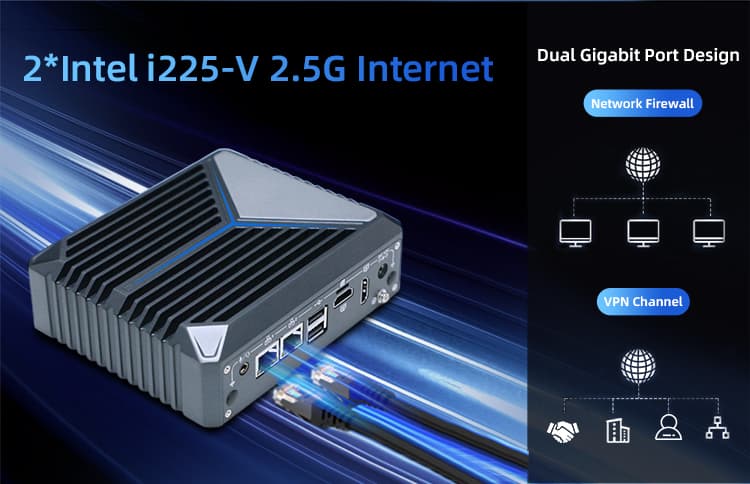 |
Industrial I/O and the Computing ArchitectureIndustrial I/O should not be evaluated separately from the rest of the industrial computer.The complete architecture is: CPU → Memory → Storage → Industrial I/O → Networking → Application YANLING platforms cover Intel Celeron J1900, J6412 and N100 processors, Intel Core i3/i5/i7 processors, 12th–14th Gen Intel platforms and selected Core Ultra platforms. Depending on the model, these platforms can combine industrial I/O with DDR3, DDR4 or DDR5 memory, M.2 NVMe storage, 2.5-inch SATA storage and multiple networking interfaces. This allows customers to select the processor and I/O architecture according to the actual workload instead of using a one-size-fits-all configuration. |
YANLING's industrial I/O architecture can be understood as a connection chain:
Industrial Computer → Communication Interface → Field Device → Data / Control Signal → Local Processing
Different interfaces serve different communication requirements.
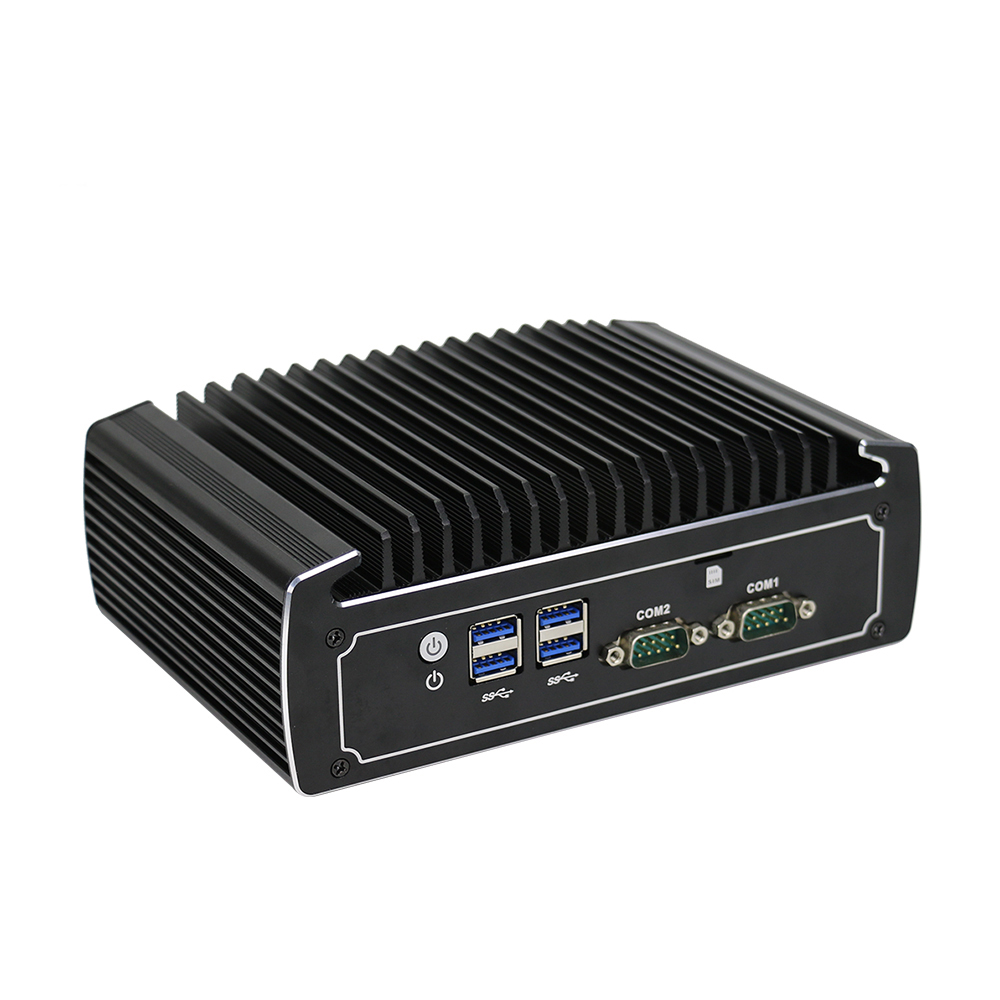
RS232 is used for direct serial communication with industrial equipment, controllers, meters and other serial devices.
For applications with a limited number of point-to-point serial connections, an industrial computer with RS232 can provide direct equipment communication without relying on unnecessary external interface conversion.
RS485 is used for industrial serial communication between computers, controllers, sensors and other field devices.
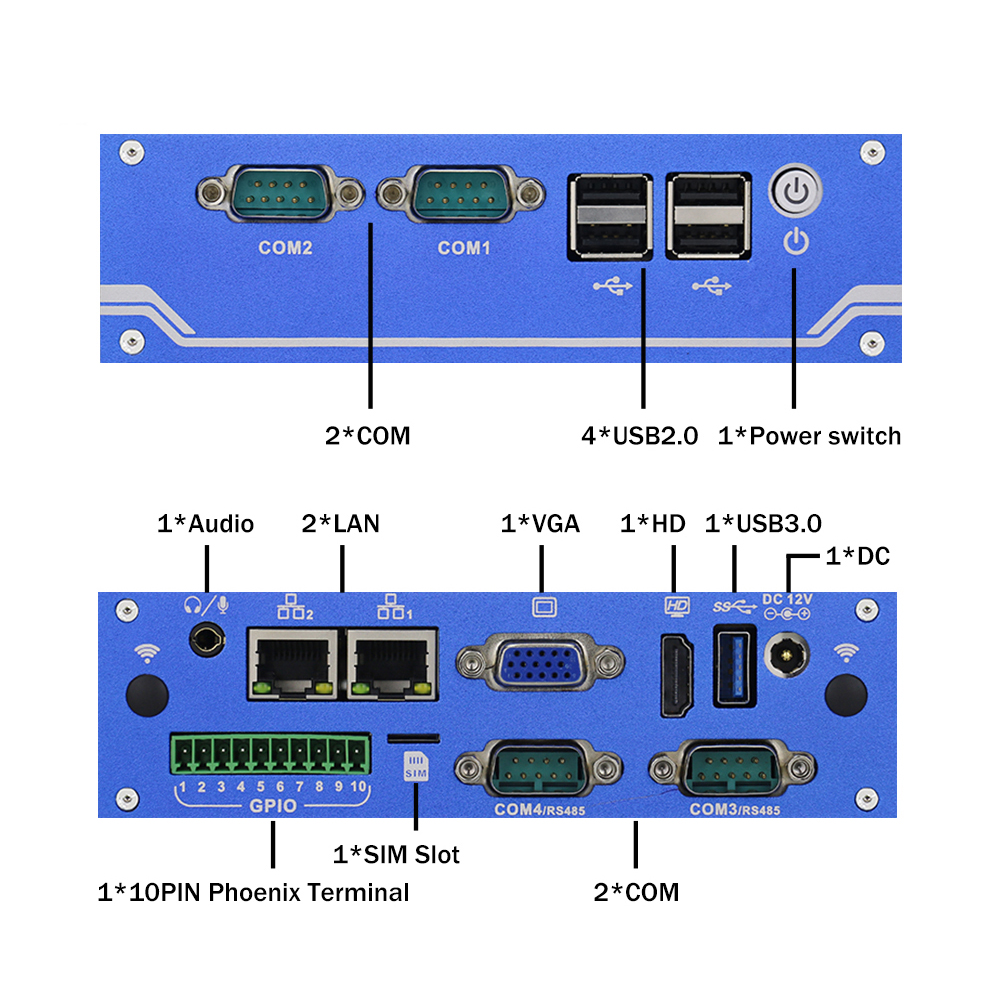
YANLING industrial computers can integrate RS485 interfaces, with the exact number and configuration determined by the selected model.
Some industrial applications need to communicate with several serial devices simultaneously.
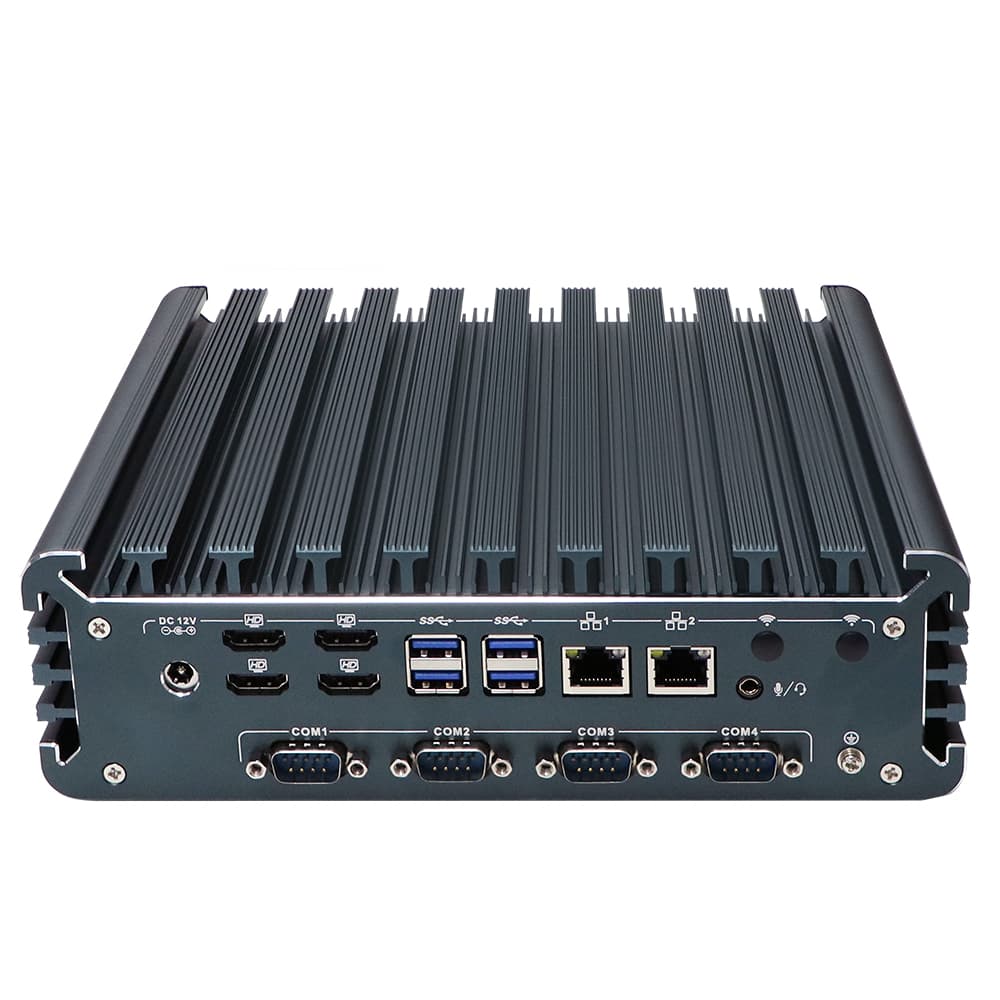
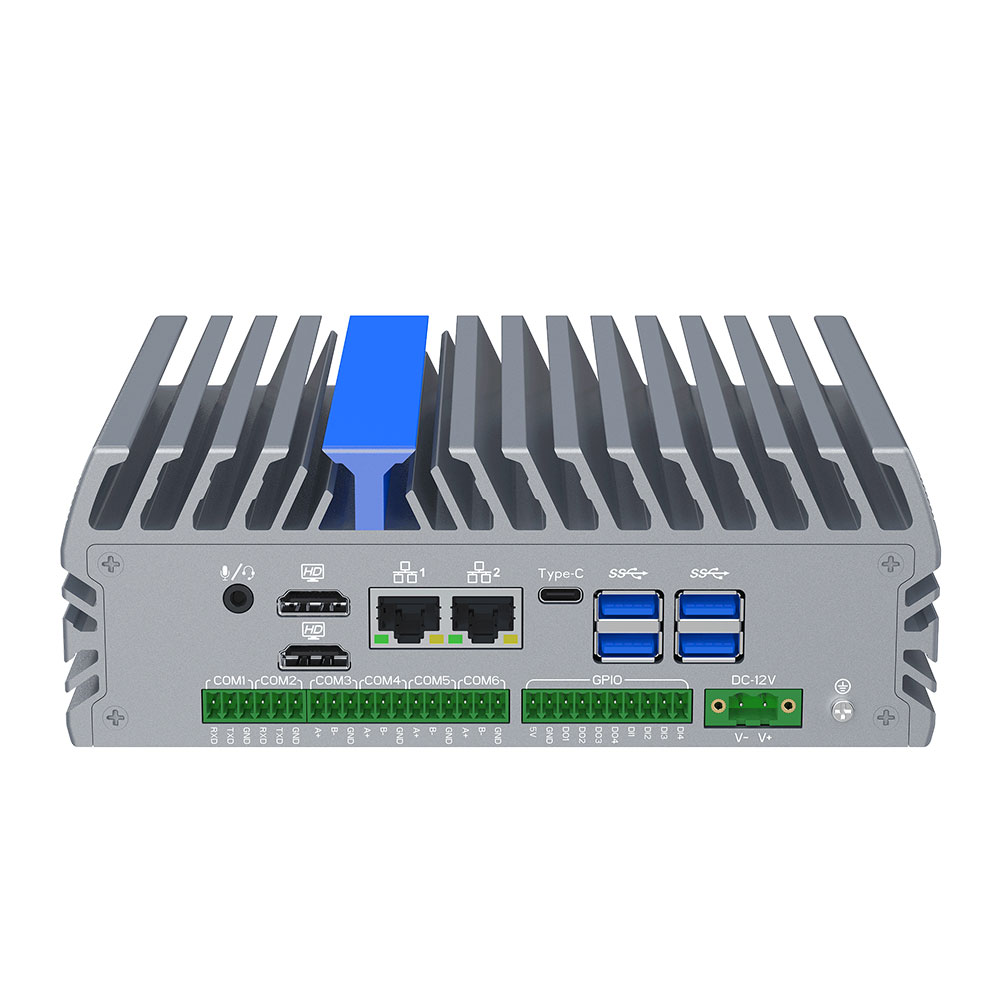
Selected YANLING industrial computers provide 6 or more COM interfaces, allowing one computing platform to integrate multiple serial devices within the same system.
GPIO provides configurable digital input and output connections for sensors, signals and embedded control requirements.
Selected YANLING platforms provide GPIO for applications that require direct integration with external sensors and control signals.
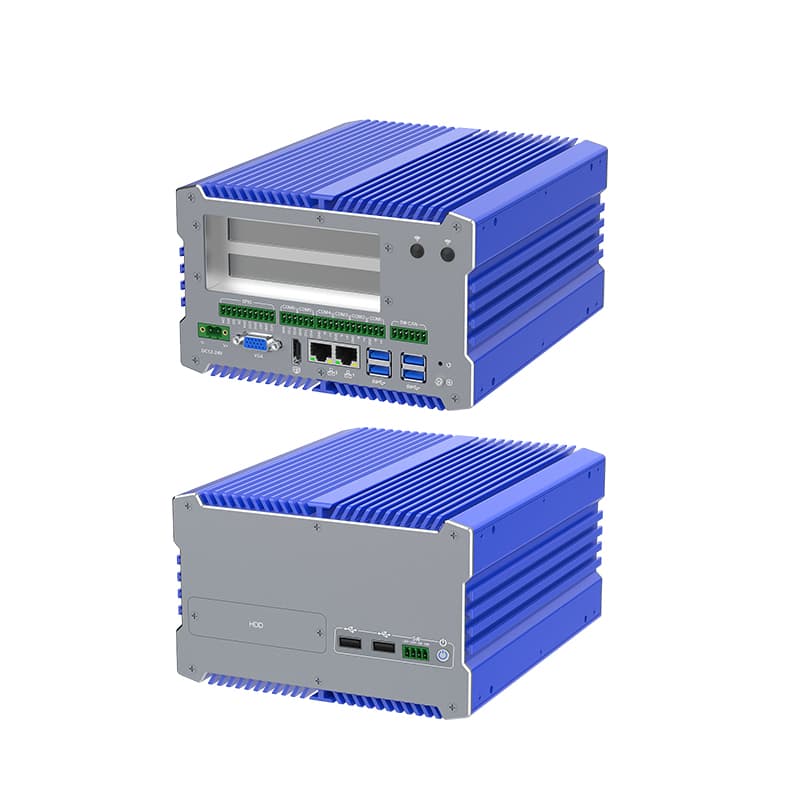
CAN interfaces are available on selected YANLING industrial computer platforms for vehicle systems, industrial control and embedded applications.
CAN connectivity is particularly relevant where the computer needs to communicate directly with equipment or control systems using CAN-based communication.
Industrial automation systems may need to communicate with multiple types of equipment at the same time.
For example:
PLC / Controller → RS232 / RS485
Sensor → GPIO
Vehicle or Control System → CAN
Network Device → LAN
Peripheral → USB
A suitable industrial computer can combine these interfaces into one embedded computing platform.
YANLING's industrial computer portfolio includes configurations with up to 6+ COM ports, GPIO, CAN, multiple LAN interfaces and USB connectivity depending on model.
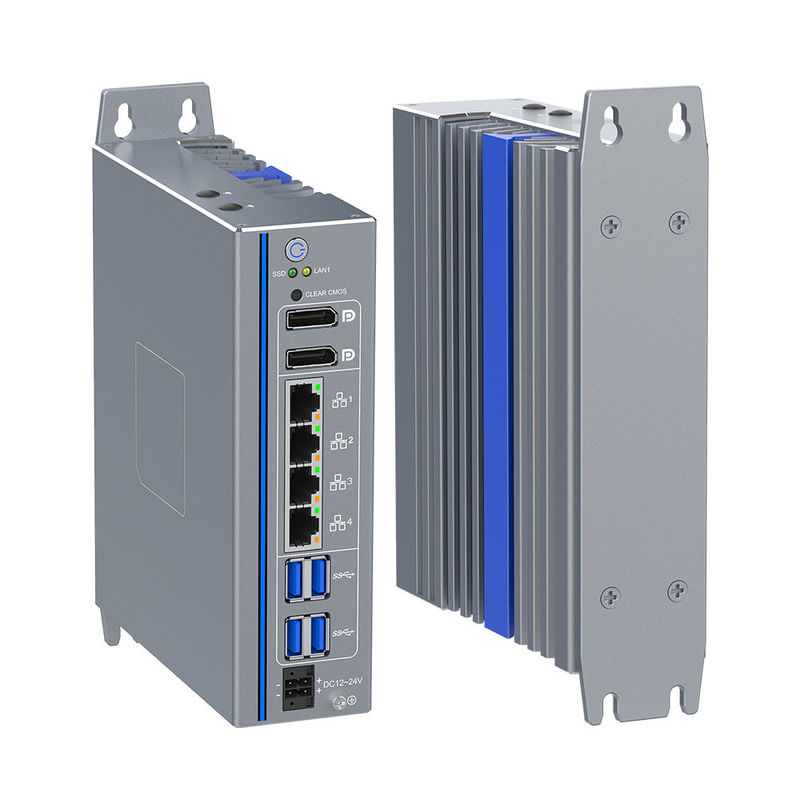
Industrial I/O is only one part of industrial connectivity.
Many modern systems need both field-device communication and network communication.
For example:
Sensors / PLCs → COM / GPIO / CAN
Industrial Network → LAN
Remote System → WiFi / 4G / 5G
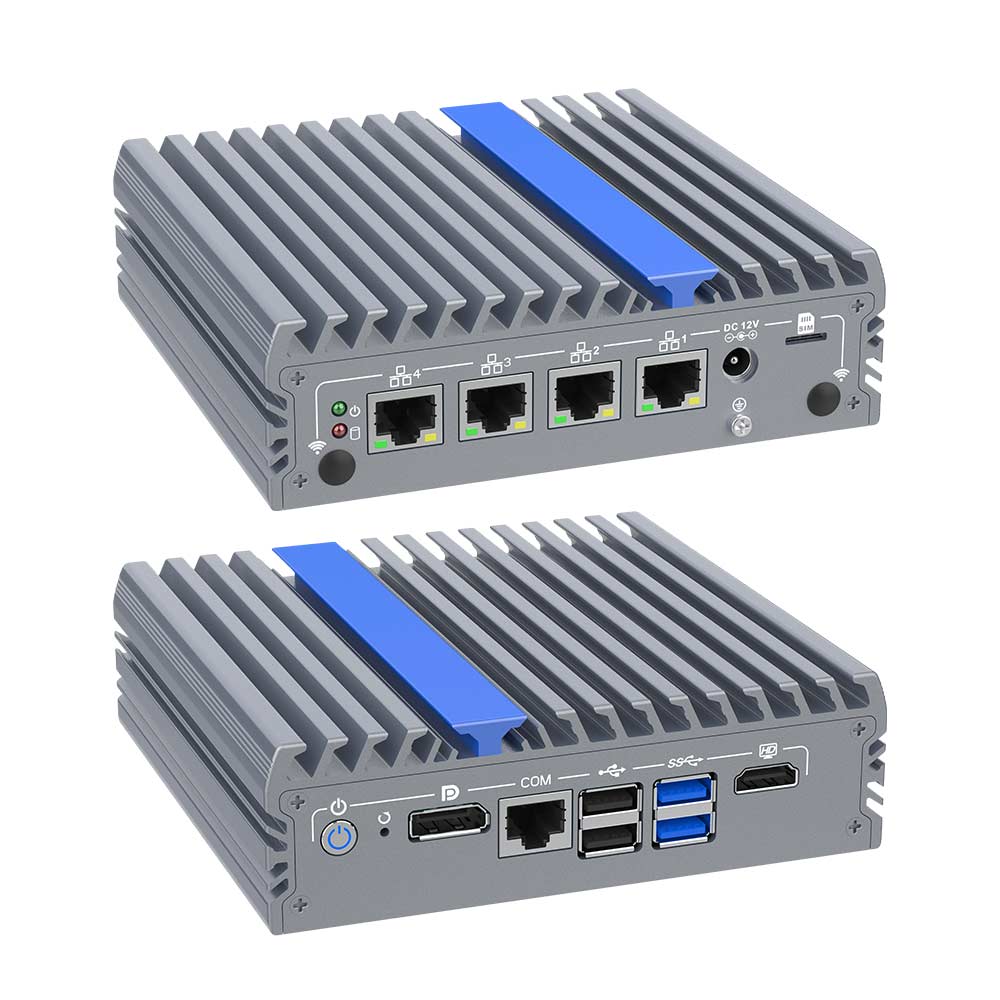
YANLING therefore combines industrial I/O with multi-LAN and wireless connectivity on selected platforms.
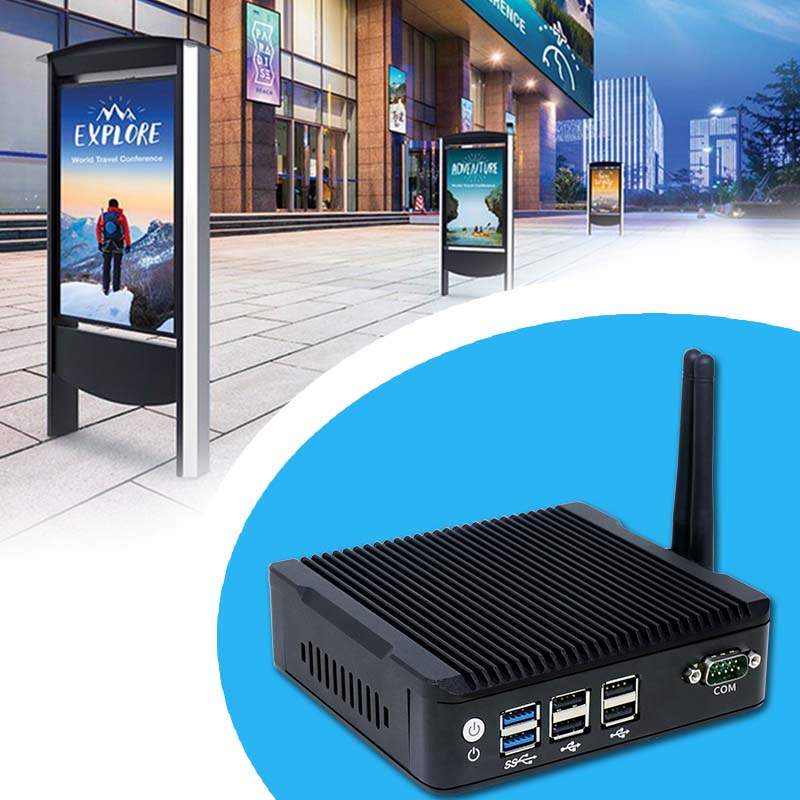
This architecture is useful for industrial automation, edge computing, intelligent control systems and transportation-related applications.
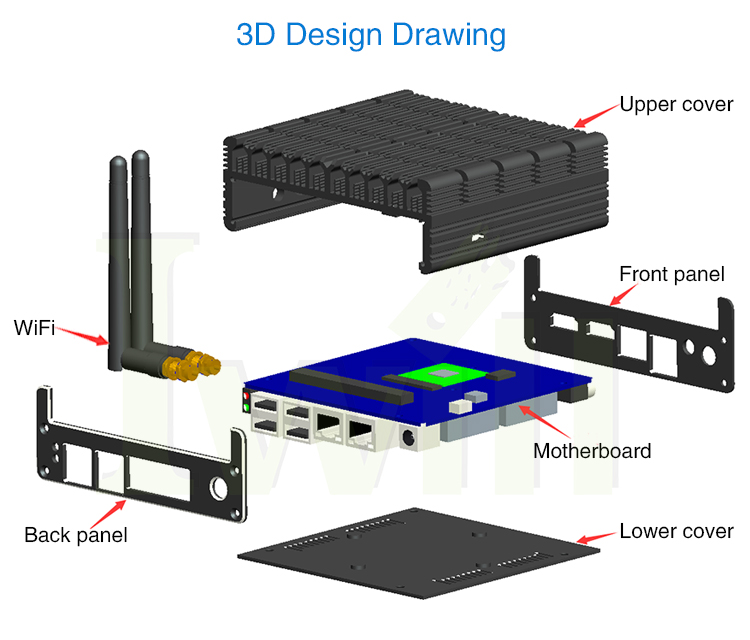
Different industrial projects rarely require exactly the same port configuration.
YANLING supports OEM/ODM customization around:
|
|
The objective is to configure the industrial computer around the actual system requirements rather than simply adding ports without a defined application purpose.
YANLING industrial I/O technology can support applications including:
RS232, RS485, multiple COM ports, GPIO and CAN can be integrated for communication with industrial equipment and control systems.
High-performance processors, LAN connectivity and industrial I/O can be combined for machine vision systems.
CAN, serial interfaces, LAN and wireless connectivity can be selected according to the transportation system requirements.
GPIO, COM and CAN provide interfaces for connecting sensors and control equipment.
Industrial I/O allows the edge computer to collect data from equipment before processing that information locally.
 |
Before selecting an industrial PC, define:
How many serial devices need to be connected?
Does the equipment use RS232, RS485 or another COM configuration?
Is CAN required?
Are GPIO inputs or outputs required?
How many LAN ports are needed?
Are USB peripherals required?
Are HDMI, DP or Type-C outputs required?
Is WiFi, 4G or 5G connectivity required?
Does the project require a customized I/O layout?
The correct industrial I/O architecture should be selected together with CPU performance, storage, power input and mechanical installation requirements.
YANLING approaches industrial I/O as part of a complete industrial computing architecture.
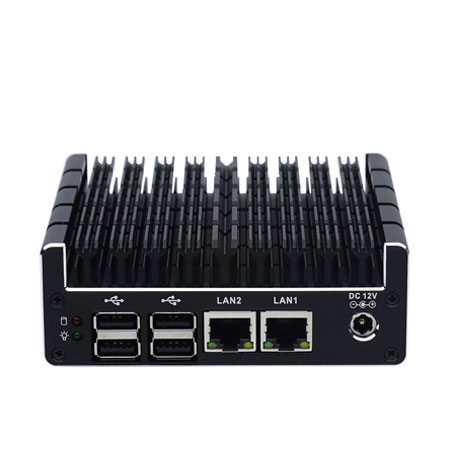
From RS232 and RS485 to multi-COM, GPIO, CAN, LAN and USB, the available interfaces allow industrial computers to communicate with the equipment around them.
Combined with Intel processor platforms, fanless cooling, wide-voltage power architectures, multi-LAN networking, NVMe storage and multi-display output, industrial I/O becomes part of a complete platform rather than an isolated specification.
Build Your Industrial Computer Around Your I/O Requirements
Need a specific COM, LAN, GPIO, CAN, display or wireless configuration?
Talk to the YANLING engineering team about your industrial computer requirements.