YANLING Industrial Computer Technology (Shenzhen) Co., Ltd
A fanless industrial computer is not simply a conventional PC with the cooling fan removed.
For industrial applications, eliminating the fan requires a carefully engineered thermal architecture that transfers processor heat away from the computing core and dissipates it through the system enclosure.
At YANLING, fanless industrial computers are designed around this principle.
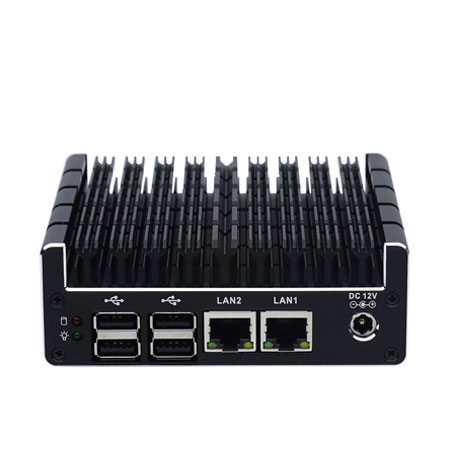
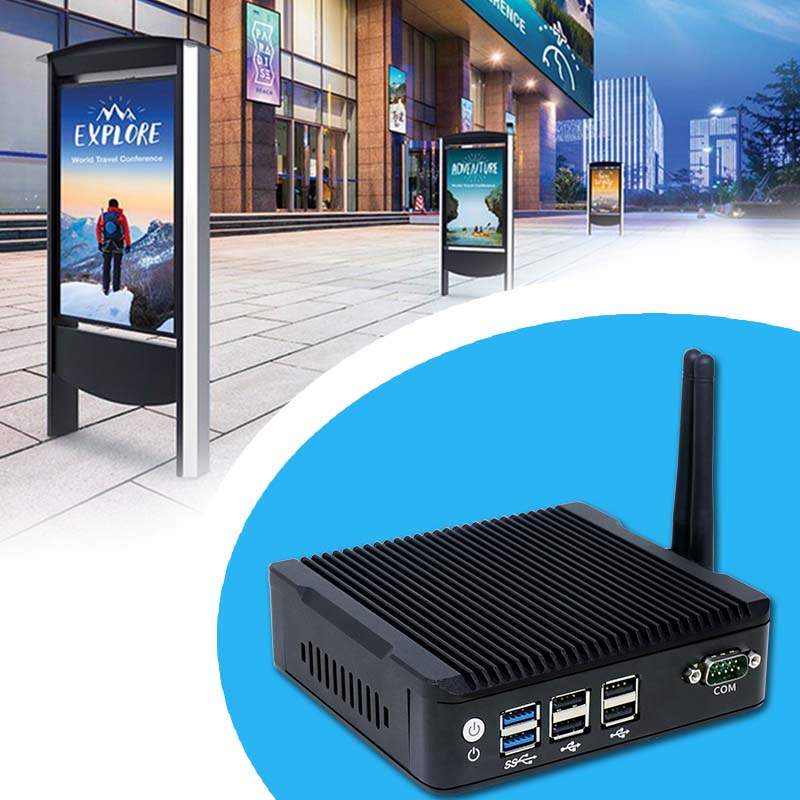
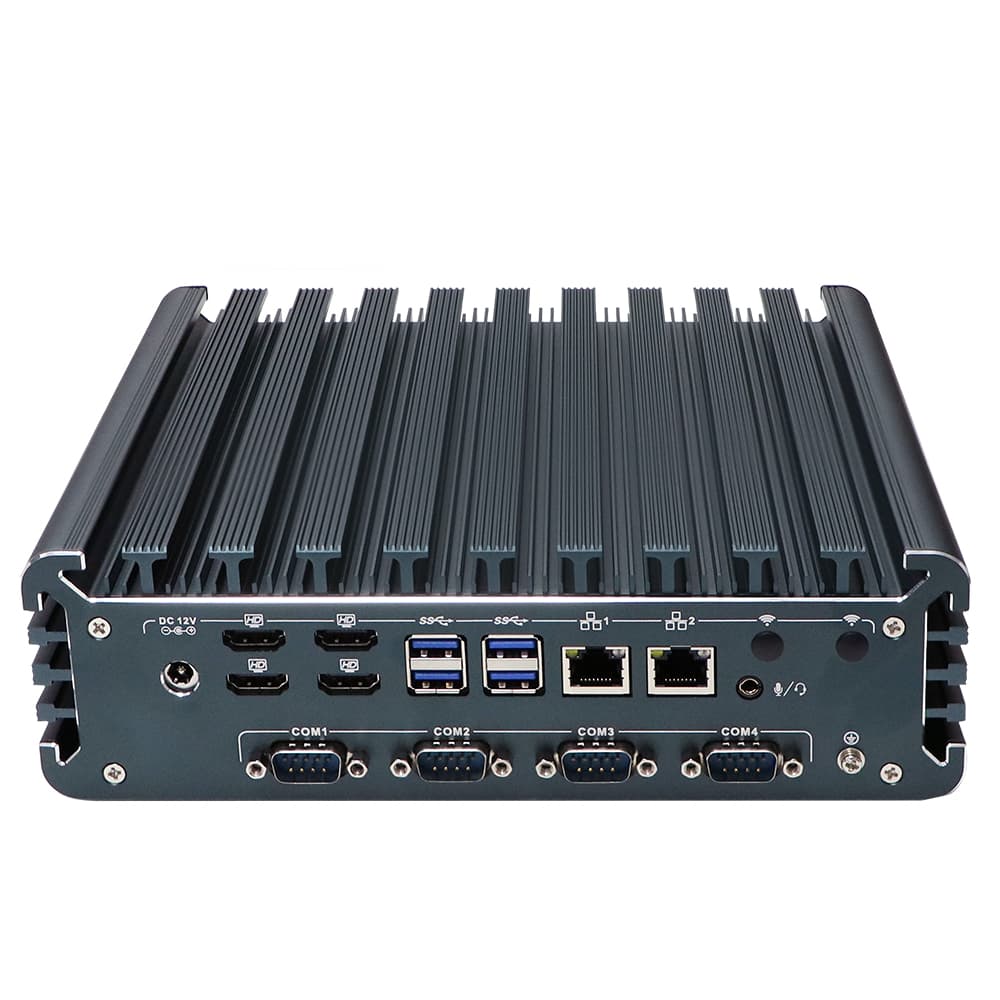
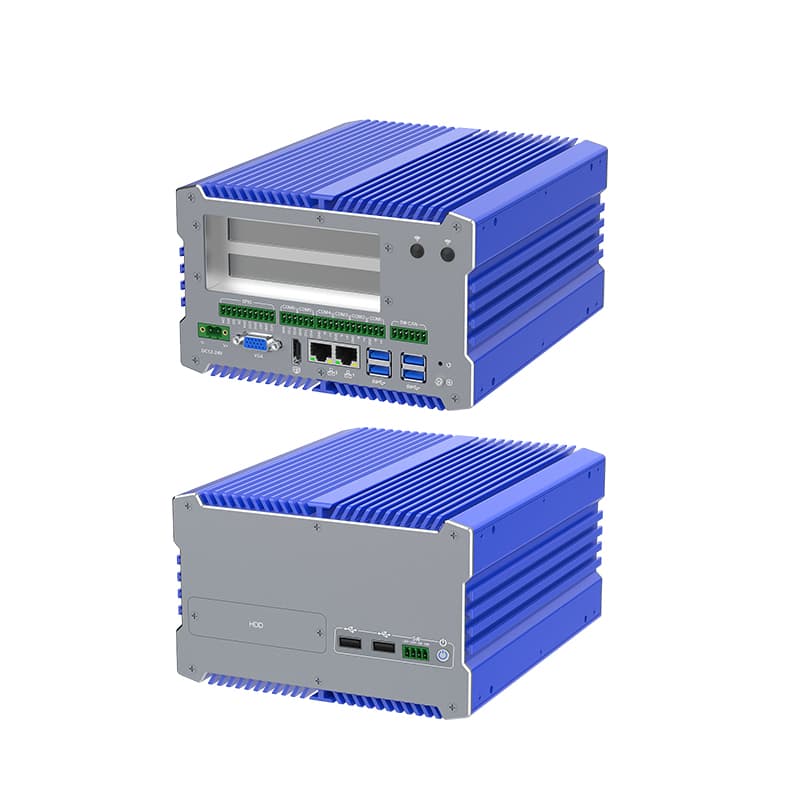
Our fanless cooling architecture combines low-power Intel processor platforms, thermal conduction structures and high-thermal-conductivity aluminum alloy chassis designs to create computing systems that can operate without mechanical cooling fans on applicable models.
The result is a computing platform designed for environments where dust, continuous operation, noise, vibration, maintenance and system reliability matter.
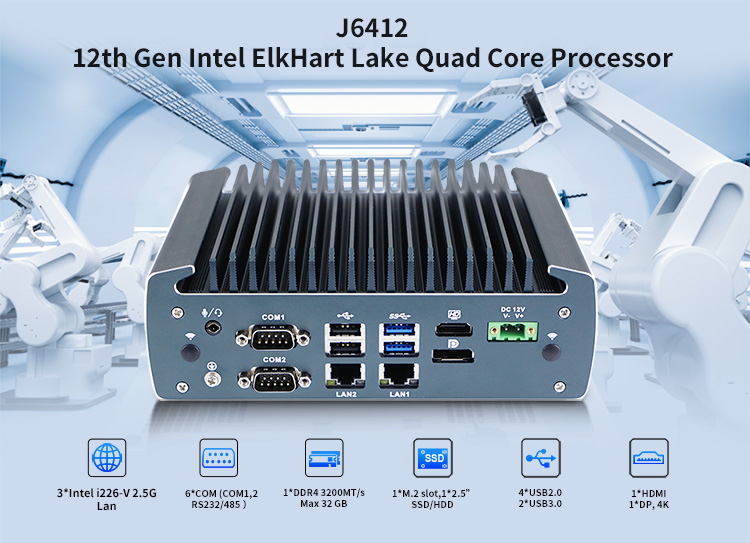
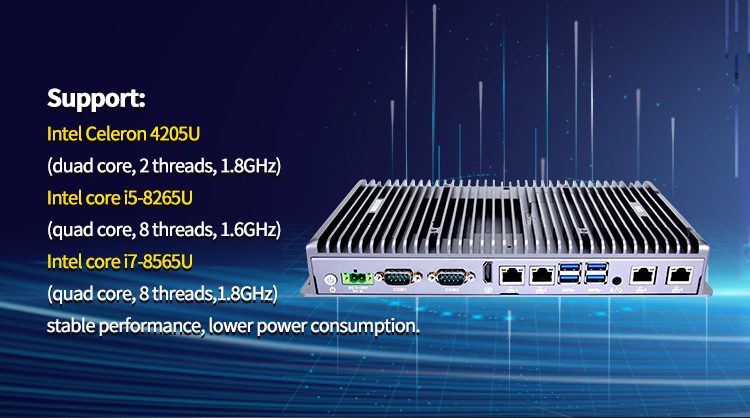
YANLING's fanless industrial computer portfolio ranges from low-power Intel platforms such as Celeron J1900, J6412 and N100 to Intel Core i3, i5 and i7 platforms, including selected 12th–14th Gen systems. Depending on the model, processor TDP ranges from approximately 6W to 35W, allowing the thermal architecture to be matched to the required computing performance.
Traditional computers commonly use mechanical fans to force air across internal heat sinks.
This approach works well in many office and consumer environments, but industrial installations can present different operating conditions.
 | Industrial computers may be installed inside: Factory automation equipment CNC machines Machine vision systems Industrial control cabinets Transportation equipment Digital signage systems Edge computing systems Network infrastructure Embedded equipment |
In these environments, the computer may need to operate continuously while being exposed to dust, vibration, restricted airflow or demanding ambient temperatures. A mechanical fan introduces a moving component into the thermal system.
YANLING's fanless industrial PC architecture removes that mechanical cooling dependency by transferring heat through a passive thermal path and dissipating it through the chassis.
This makes fanless cooling particularly valuable when the system requires:
|  |
The objective is not simply to make the computer silent.
The objective is to engineer a thermal system that is appropriate for the processor, enclosure, workload and operating environment.
The basic principle of YANLING's fanless cooling architecture is straightforward:
Processor → Thermal Interface → Thermal Transfer Structure → Aluminum Chassis → External Fins → Ambient Air
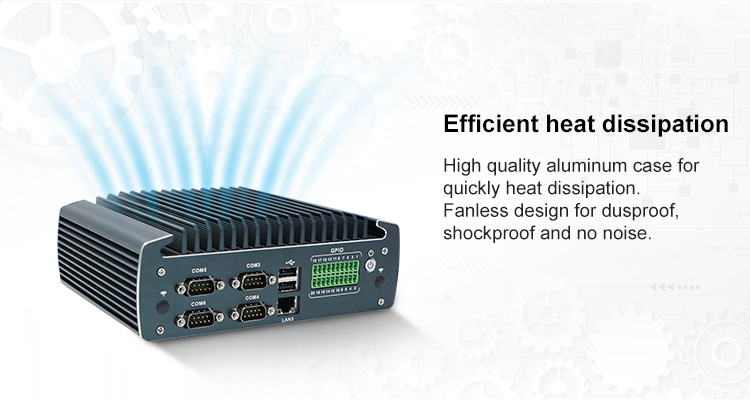
Instead of using a fan to move air across an internal heat sink, heat generated by the processor is conducted away from the CPU and transferred toward the external thermal structure.
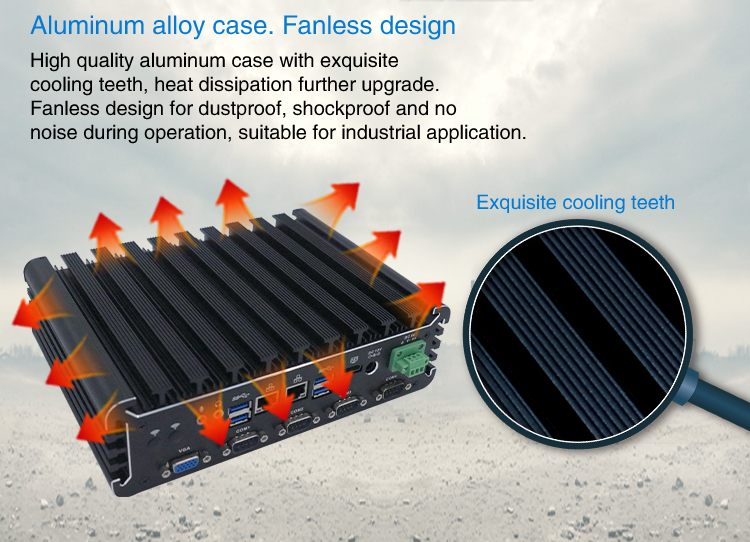
The aluminum alloy enclosure then acts as an important part of the heat-dissipation system.
External fins increase the effective surface area of the enclosure, allowing heat to dissipate into the surrounding environment through natural convection.
This creates a passive thermal path from the processor to the outside of the computer.
The CPU generates heat while processing industrial workloads.
A thermal interface and thermal conduction structure transfer heat away from the processor.
The thermal structure distributes heat toward the larger thermal mass of the chassis.
The aluminum alloy enclosure and external fin structure release heat into the surrounding environment.
Ambient air carries heat away from the external surface without requiring a mechanical cooling fan.
This is the fundamental working principle behind a fanless industrial computer.
 |
One of the most important differences between a conventional computer enclosure and a properly engineered fanless industrial PC is the role of the chassis.
In a fanless design, the enclosure is not simply a protective shell.
It becomes part of the thermal architecture.
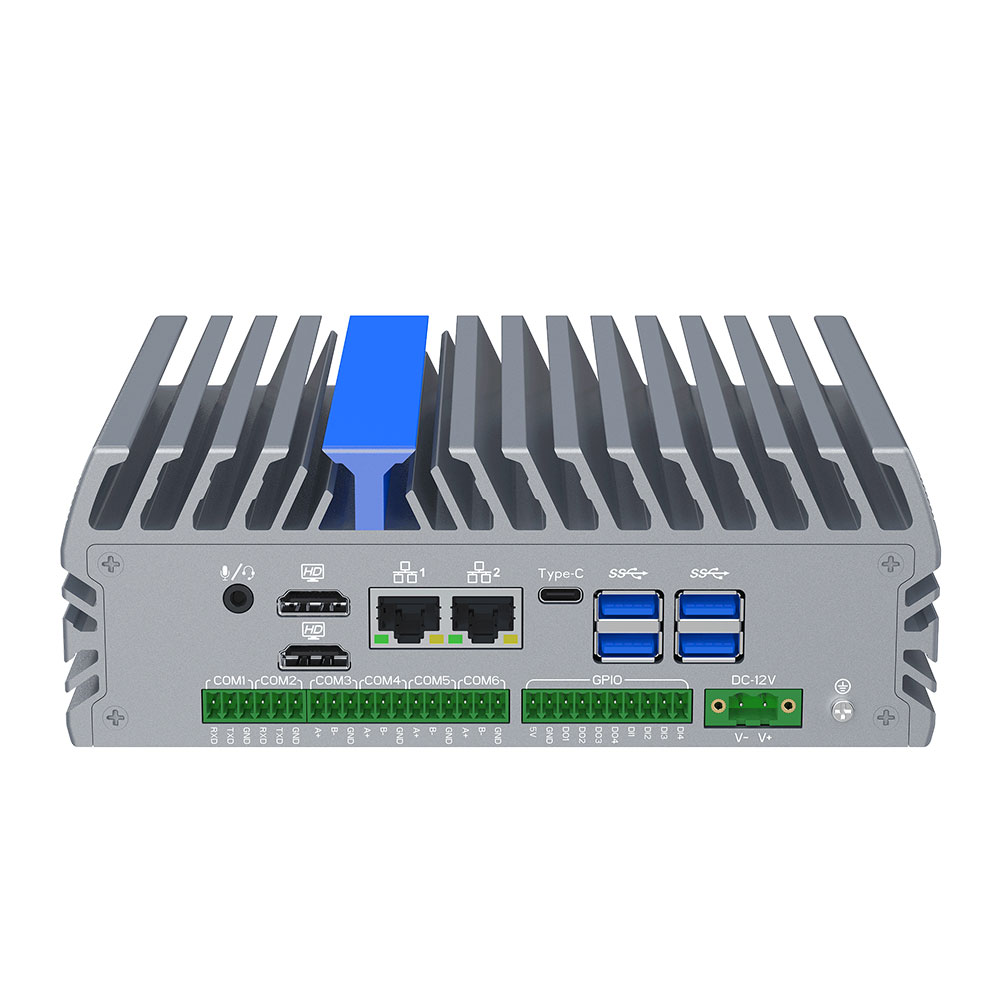
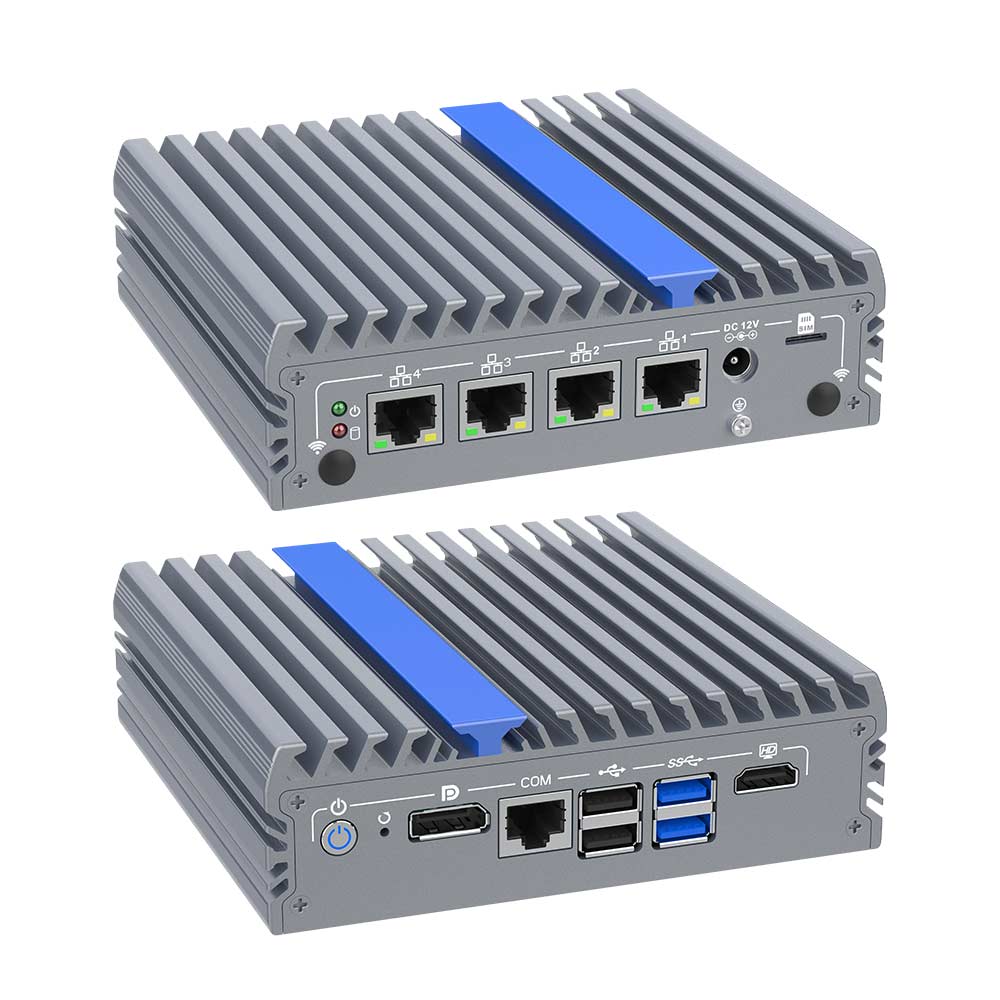
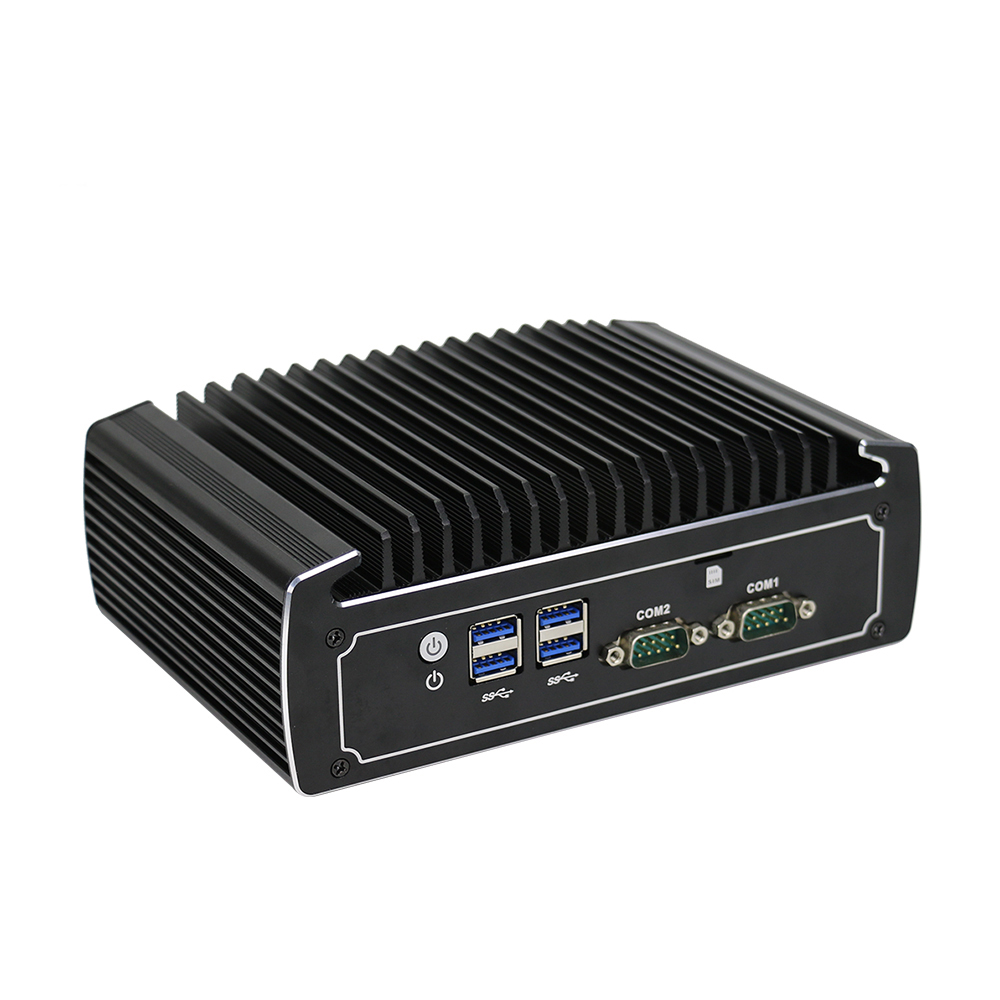
YANLING uses aluminum alloy chassis designs on its fanless industrial computer platforms to provide a large thermal pathway between the internal computing components and the external environment.
The chassis can combine:
|
|
|
|
|
This approach allows the thermal system and mechanical enclosure to work together.
Instead of:
CPU → Internal Fan → Forced Air → Heat Exhaust
the fanless architecture follows:
CPU → Thermal Conduction → Aluminum Chassis → Natural Convection
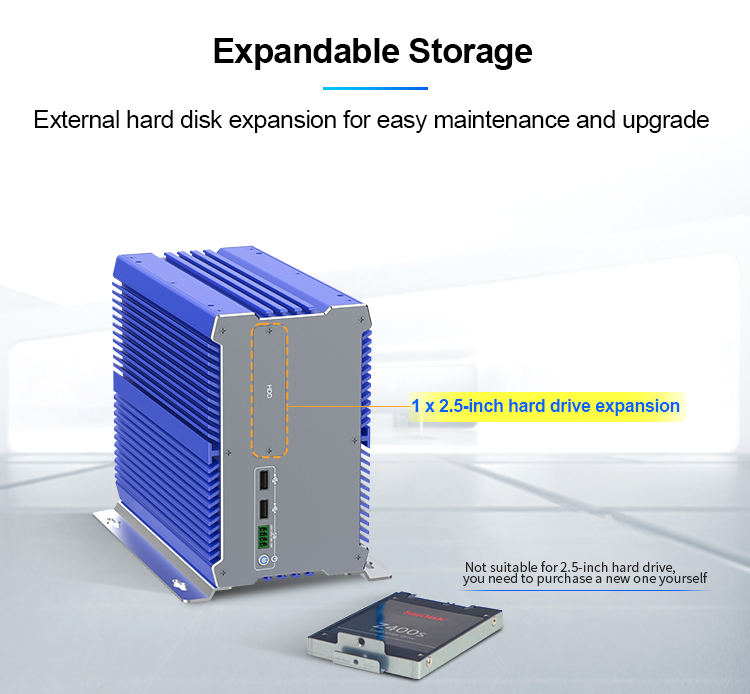
This is particularly suitable for industrial systems where eliminating moving cooling components is beneficial.
 |
A fanless industrial PC cannot be engineered independently of its processor.
The processor determines how much heat must be removed, while the chassis, thermal interface, thermal structure and operating environment determine how effectively that heat can be dissipated.
YANLING therefore provides fanless industrial computers across different processor performance levels.
YANLING fanless systems include low-power platforms such as:
|
|
|
These processors are well suited to applications where efficient computing and controlled thermal output are important.
For more demanding workloads, YANLING fanless industrial computers can incorporate:
|
|
|
Selected platforms extend into newer Intel processor generations, including 12th–14th Gen architectures.
Across the industrial computer portfolio, YANLING supports processor configurations covering approximately:
TDP is an important consideration when designing a fanless computer because the thermal architecture must be matched to the processor's heat generation and the application's workload.
A lower-power processor can provide greater flexibility for compact passive cooling designs, while higher-performance processors require a correspondingly engineered thermal solution.
Therefore, YANLING selects the processor, thermal architecture and chassis as part of the same system design rather than treating cooling as an independent component.
 |
Passive Cooling Does Not Mean Low Performance
One common misconception is that a fanless industrial computer must always use an entry-level processor.
Modern thermal engineering allows fanless systems to support a broad range of computing platforms.
YANLING's fanless industrial computer portfolio spans from low-power Intel Celeron and N-series processors to Intel Core i3, i5 and i7 platforms.
Depending on the model, customers can combine fanless thermal management with:
|
|
|
|
|
|
This allows the fanless architecture to support not only basic industrial control, but also more demanding applications such as machine vision, edge computing, industrial networking and multi-display systems.
Industrial computers are often expected to remain operational for extended periods.
In such environments, every mechanical component can become a consideration for reliability and maintenance.
A conventional cooling fan contains moving mechanical components.
YANLING fanless industrial computers eliminate the conventional mechanical cooling fan from the thermal architecture on applicable models.
This creates several practical advantages.
With no mechanical cooling fan, the system does not depend on a fan bearing or fan motor for continuous thermal operation.
A fan-driven computer continuously moves air through the chassis.
In dusty environments, forced airflow can introduce airborne particles into the enclosure.
A fanless design does not require this type of forced internal airflow.
Removing a mechanical cooling fan can reduce one potential maintenance component in continuously operating equipment.
Without a mechanical cooling fan, applicable YANLING fanless industrial computers can operate without fan noise.
This can be useful for environments where acoustic noise is undesirable.
 |
Dust is a practical consideration in many industrial environments.
Manufacturing facilities, workshops and equipment rooms can contain airborne particles that are undesirable inside electronic equipment.
A conventional fan draws air through the system to support active cooling.
A fanless industrial computer instead relies on conduction and passive heat dissipation.
This changes the thermal architecture from:
to:
For applications where reducing internal airflow and dust accumulation is important, this architecture can provide a practical advantage.
The exact enclosure protection level, sealing performance and environmental rating remain model-specific and should always be evaluated against the installation environment.
Industrial computers can be installed on machines, vehicles, production equipment and embedded systems where vibration is a consideration.
A fanless design removes the mechanical cooling fan from the system.
Combined with solid-state storage options such as M.2 NVMe SSDs and industrial-oriented system architecture, this creates a computing platform with fewer mechanically moving components.
For vibration-sensitive applications, the complete system should still be evaluated according to the specific product's mechanical and environmental specifications.
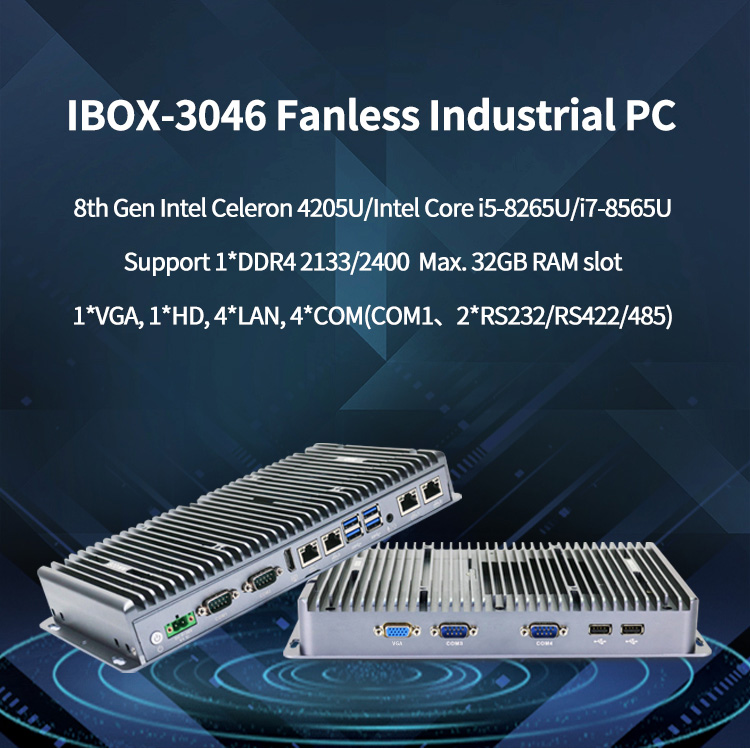
Machine vision systems generate continuous streams of image data and may require local processing, high-speed storage, multiple displays and network connectivity.
A fanless industrial computer can provide the computing platform for these systems while avoiding conventional mechanical fan cooling.
YANLING fanless platforms can combine:
Intel Core processors
DDR4 / DDR5 memory
M.2 NVMe storage
Multi-LAN
HDMI / DP / Type-C
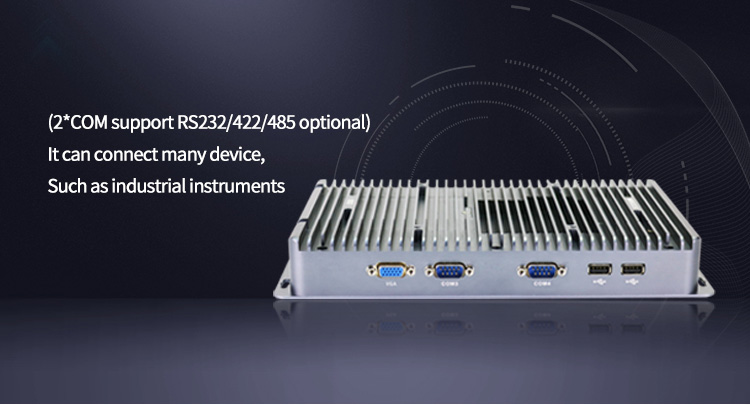
Industrial COM interfaces
GPIO
CAN
The appropriate CPU, memory, display and I/O configuration depends on the machine vision workload.
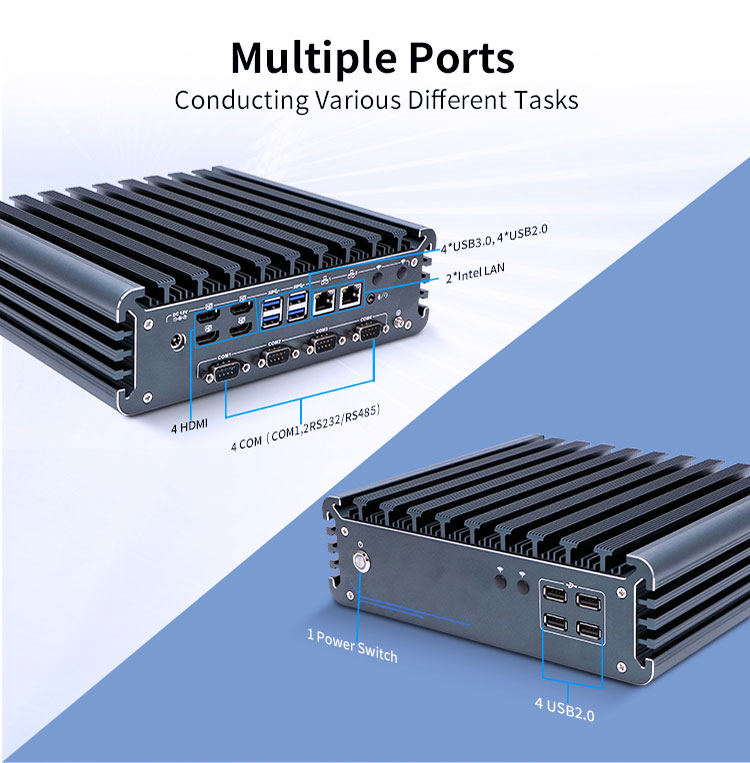
Industrial automation systems often need to communicate with multiple field devices.
A fanless industrial PC can act as the local computing platform while providing the required industrial interfaces.
Depending on the model, YANLING platforms can provide:
RS232 → Serial Equipment
RS485 → Industrial Serial Communication
GPIO → Sensors and Control Signals
CAN → Vehicle and Industrial Control
LAN → Industrial Network Communication
The combination of passive cooling and industrial I/O allows the computer to be integrated directly into automation equipment.
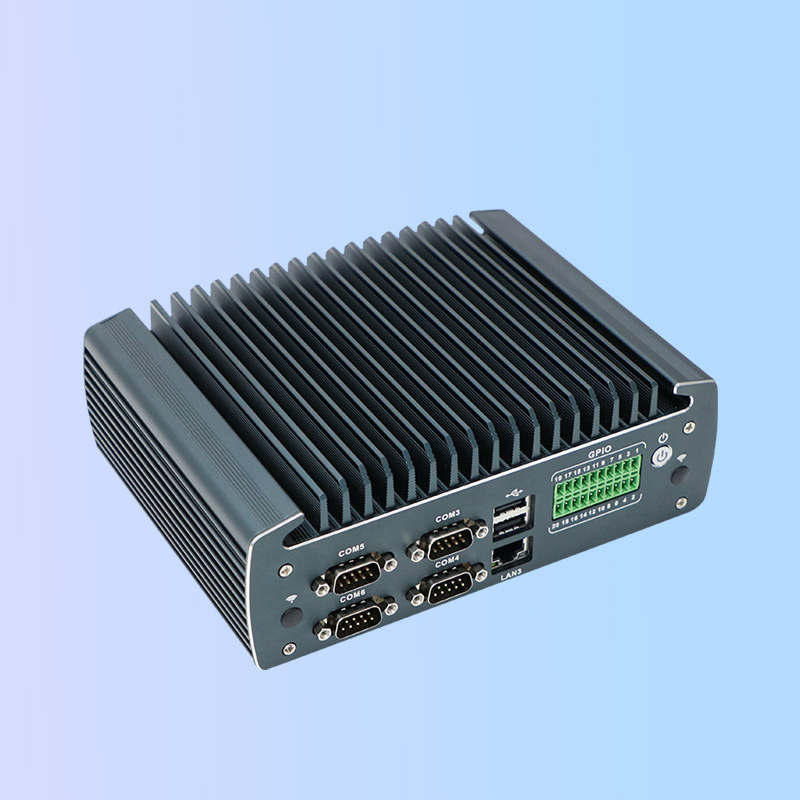
Industrial edge computing requires computing resources to be placed close to the equipment generating the data.
A fanless industrial computer can provide a compact local computing platform for:
Edge data processing
AIoT
Machine vision
Industrial monitoring
Network gateways
Smart factory systems
YANLING's newer platforms include Intel Core and Core Ultra architectures, while low-power N100/N-series systems provide options for applications with lower computational requirements.
Modern memory and storage technologies such as DDR5 and M.2 NVMe can further support local edge workloads on applicable models.
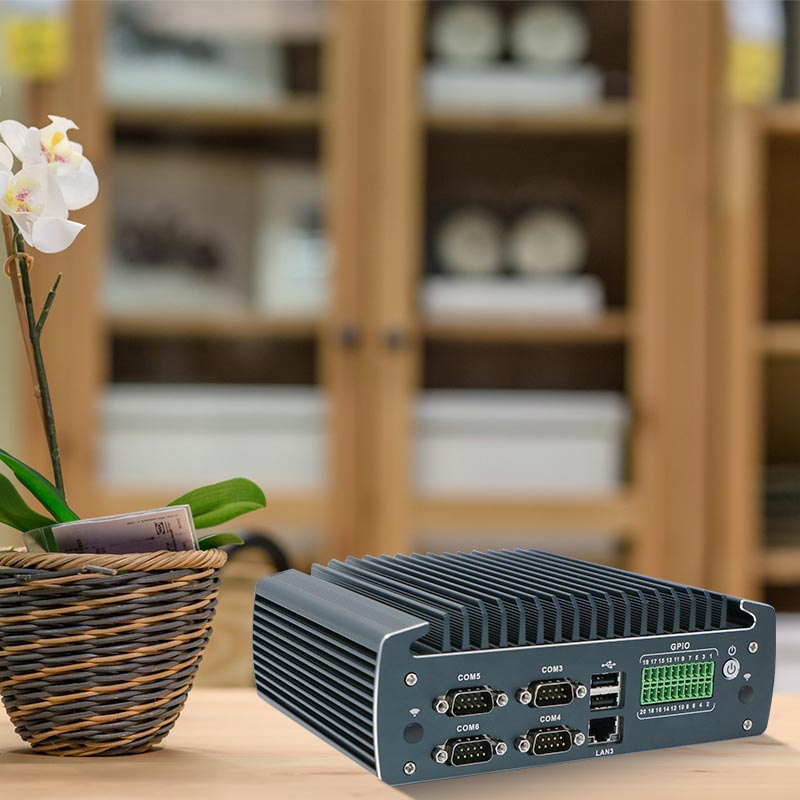
Industrial networking equipment may need to operate continuously while maintaining multiple network connections.
YANLING fanless platforms can combine passive cooling with multi-LAN architectures.
Selected systems support:
Multiple Intel LAN interfaces
Intel I226-V
2.5GbE
4-LAN configurations
6-LAN configurations
Specialized 10GbE SFP+ configurations on selected edge systems
These architectures can be used for:
Industrial gateways
Network segmentation
Firewall systems
VPN
Soft routers
Edge networking
This makes fanless industrial computing useful not only for automation but also for industrial network infrastructure.
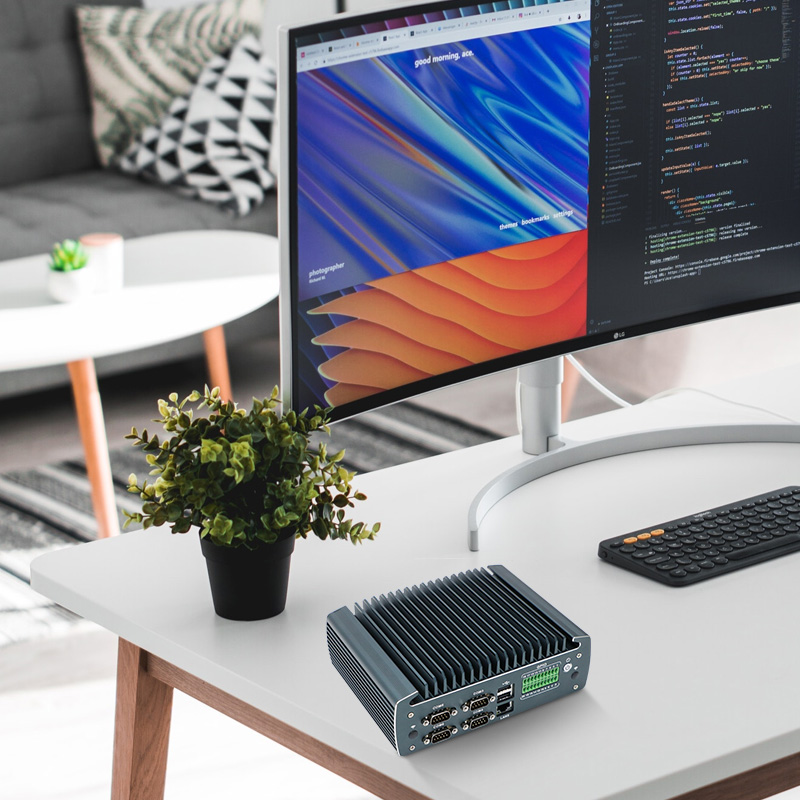
Industrial computers are often installed where available space is limited.
The computer may need to fit inside:
|
|
|
Fanless cooling can simplify system architecture because it does not require a conventional internal fan and airflow path.
The aluminum chassis can simultaneously function as:
Enclosure + Heat Spreader + Passive Heat Sink
This allows thermal management to become an integrated part of the mechanical design.
For compact systems, the relationship between:
CPU + TDP + Thermal Structure + Chassis + Ambient Temperature + Workload
must be evaluated together.
This is why a professionally engineered fanless industrial computer is fundamentally different from simply placing a low-power processor inside a metal box.
Temperature capability is determined by more than the processor itself.
A fanless industrial computer's thermal performance depends on:
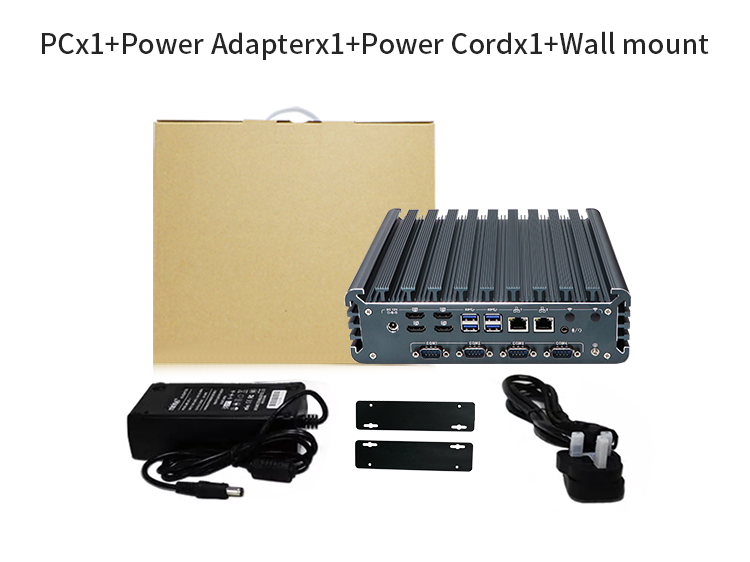 |
|
YANLING's current industrial computer portfolio includes models specified for operating environments such as -20°C to +60°C.
However, this should not be interpreted as a universal specification for every YANLING product.
The actual operating-temperature range must be selected according to the individual industrial computer model and configuration.
This model-specific approach is important when specifying a fanless industrial PC for outdoor, factory-floor, vehicle-mounted or other demanding environments.
A reliable industrial computer requires more than passive cooling.
YANLING combines fanless thermal architecture with other industrial computing technologies.
Intel Celeron, Intel Core and newer Intel processor platforms provide scalable computing performance.
Industrial motherboard design provides the foundation for system integration, I/O and long-term deployment.
Depending on the model, systems can include:
RS232
RS485
Multi-COM
GPIO
CAN
USB
Selected systems provide multiple LAN interfaces, including Intel I226-V-based 2.5GbE networking.
M.2 NVMe and 2.5-inch SATA storage options provide different approaches to local data storage.
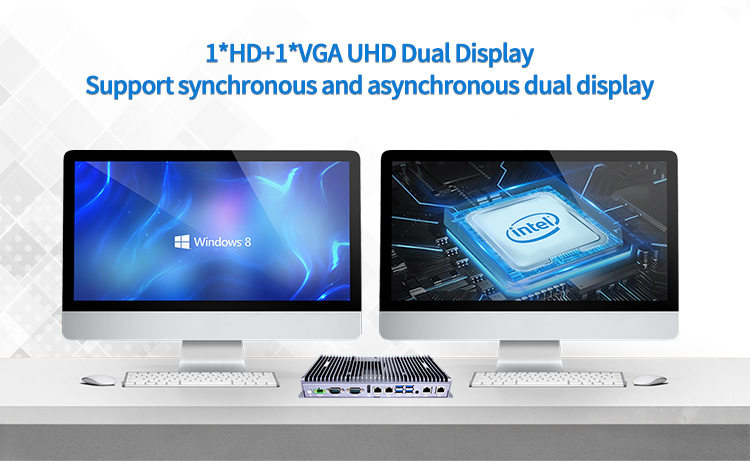
Selected platforms support HDMI, DisplayPort and Type-C outputs for dual- or triple-display configurations.
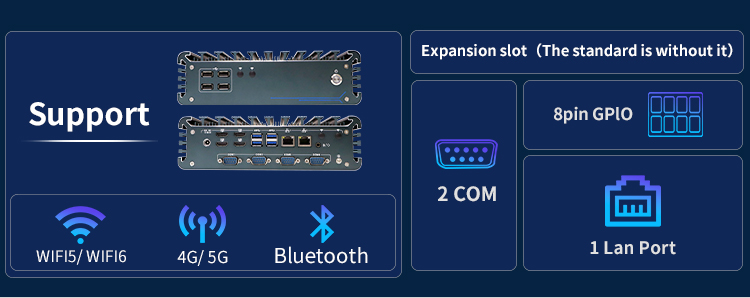
WiFi, 4G and 5G options are available on selected platforms.
This means the fanless architecture is not an isolated feature.
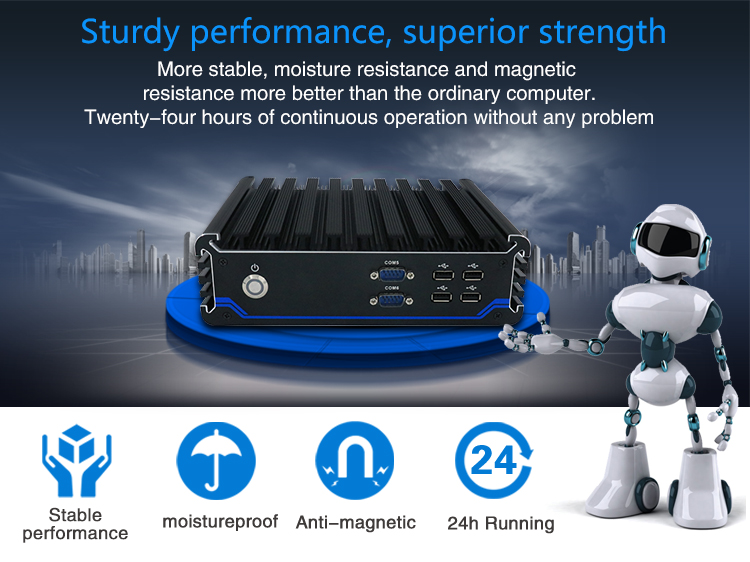
It forms one layer of a complete industrial computing platform.
 |
Engineering the Complete Thermal System
YANLING's fanless technology is based on system-level thermal engineering rather than simply removing the cooling fan.
Heat is transferred away from the processor through a thermal conduction path and into the aluminum alloy chassis.
The chassis forms an important part of the passive thermal structure and provides the external surface required for heat dissipation.
YANLING supports processor configurations ranging from approximately 6W to 35W TDP, allowing thermal architecture to be matched to different computing requirements.
Customers can select from Intel Celeron, N-series, Core i3/i5/i7 and newer Intel platforms according to workload requirements.
Fanless computing can be combined with multi-COM, RS232/RS485, GPIO, CAN and multi-LAN configurations.
Selected systems support DDR4, DDR5, M.2 NVMe and 2.5-inch SATA storage architectures.
Selected fanless platforms support HDMI, DP and Type-C display outputs for multi-display applications.
WiFi, 4G and 5G connectivity options are available on applicable models.
 |
| Feature | Fanless Industrial PC | Conventional Fan-Cooled PC |
|---|---|---|
| Mechanical cooling fan | No | Yes |
| Passive heat dissipation | Yes | Usually secondary |
| Forced internal airflow | No conventional fan airflow | Yes |
| Fan-related maintenance | Reduced | Required depending on environment |
| Dust movement through chassis | Reduced | Higher due to forced airflow |
| Acoustic noise | Very low / fanless | Fan noise |
| Industrial embedded applications | Excellent fit | Application dependent |
| Continuous operation | Suitable on properly specified models | Suitable depending on design |
| Thermal architecture | Chassis-integrated | Fan + heat sink + airflow |
| Compact industrial deployment | Strong fit | Application dependent |
The comparison does not mean that fanless cooling is universally better than active cooling.
The correct architecture depends on processor TDP, workload, ambient temperature, enclosure design and application requirements.
YANLING's approach is to select the appropriate thermal architecture for the specific industrial computer.
Step 1: Define the Computing WorkloadDetermine whether the system will perform:
Higher workloads may require higher-performance Intel Core or newer processor platforms. | Step 2: Define the Thermal EnvironmentIdentify:
|
Low-power systems may use processors around the 6W class, while more demanding platforms can extend toward the 35W range.
The selected processor must be matched to the fanless thermal architecture.
Step 4: Define the I/OIdentify whether the system requires:
| Step 5: Define Networking RequirementsDetermine whether the application needs:
|
Step 6: Define Display RequirementsDetermine whether the system requires:
| Step 7: Define Storage and MemorySelect the appropriate:
|
The final configuration should be selected according to the complete application—not according to CPU performance alone.
 |
YANLING's fanless industrial computer technology combines processor selection, thermal conduction, passive heat dissipation, aluminum chassis engineering and industrial system integration.
The purpose is simple:
Move heat efficiently. Reduce unnecessary mechanical components. Build a computing platform suitable for demanding industrial environments.
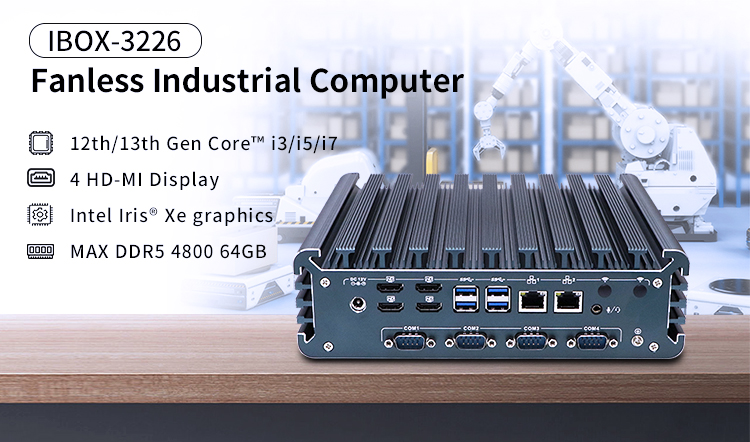
From low-power Intel N100 systems to Intel Core i3/i5/i7 and newer processor platforms, YANLING provides different fanless architectures for different industrial workloads.
The fanless design can then be combined with industrial I/O, multi-LAN networking, NVMe storage, multi-display output and wireless connectivity to create a complete industrial computing platform.
Explore YANLING's fanless industrial computer portfolio, including configurations based on:
| Available configurations may include:
|
Explore Fanless Industrial Computers →
YANLING fanless industrial computers can be configured for a wide range of industrial and embedded applications.
For machine control, data acquisition, sensor integration and equipment connectivity.
For local image processing, camera systems, industrial displays and high-speed data handling.
For local processing, AIoT, monitoring and intelligent industrial systems.
For gateways, firewalls, routers, network segmentation and edge infrastructure.
For embedded computing where DC power, compact design and industrial connectivity are required.
For continuous multimedia processing and multi-display applications.
For connected manufacturing equipment, production monitoring and local industrial data processing.
Explore Industrial Computer Applications
 |
A fanless industrial computer is an industrial computing system that uses passive thermal management instead of a conventional mechanical cooling fan. In YANLING fanless platforms, processor heat is transferred through a thermal conduction structure toward an aluminum alloy chassis, where it is dissipated into the surrounding environment.
A fanless industrial PC transfers heat away from the processor through a thermal interface and thermal conduction structure. The heat is then distributed through the aluminum chassis and dissipated through its external surface and fins by natural convection.
Fanless industrial PCs can reduce dependence on mechanical cooling components, minimize fan noise and reduce forced airflow through the chassis. This can be useful in dusty, vibration-sensitive, noise-sensitive or continuously operating industrial environments.
Yes, properly specified fanless industrial computers can be designed for continuous operation. However, 24/7 suitability depends on the individual processor, thermal architecture, workload, ambient temperature and product specification.
No. Fanless systems can use different processor classes. YANLING's portfolio includes low-power Intel platforms as well as Intel Core i3, i5 and i7 processors and newer Intel platforms. The processor must be matched to the thermal architecture and workload.
YANLING's current portfolio includes Intel Celeron J1900, J6412, N100, Intel Core i3/i5/i7 and selected 12th–14th Gen Intel platforms. Selected systems also incorporate newer Intel Core Ultra architectures.
YANLING's industrial computer portfolio includes processor configurations covering approximately 6W–35W TDP, depending on the specific platform.
Yes. Selected YANLING industrial computers support M.2 NVMe storage, while some systems also support 2.5-inch SATA storage.
A fanless design does not use a mechanical fan to force air through the computer. This can reduce forced airflow and associated dust movement through the system. Actual dust protection depends on the specific enclosure design and environmental rating.
Some YANLING industrial computer models are specified for operating temperatures such as -20°C to +60°C. The exact operating temperature range is model-specific and should be confirmed against the product datasheet before deployment.
Yes. Selected models support multiple COM ports, including configurations with 6+ COM interfaces using RS232/RS485.
Yes. Selected YANLING platforms provide multiple LAN interfaces, including Intel I226-V-based 2.5GbE configurations and 4-LAN or 6-LAN systems.
Selected models support dual or triple display configurations using HDMI, DisplayPort and Type-C. The actual display resolution and number of simultaneous displays depend on the specific processor and model.
Choosing a fanless industrial computer is not simply a matter of selecting a CPU.
The correct system requires the thermal architecture, processor TDP, chassis, I/O, storage, networking, display and environmental requirements to work together.
YANLING can help you evaluate the appropriate industrial fanless computer configuration for your application.
Tell us your CPU, I/O, voltage, temperature, storage, display and mounting requirements.
Talk to YANLING Engineering → Explore Fanless Industrial Computers now!